
NEMA Seizes 90,695 Banned Plastic Bags in Nairobi Raid, Five Apprehended
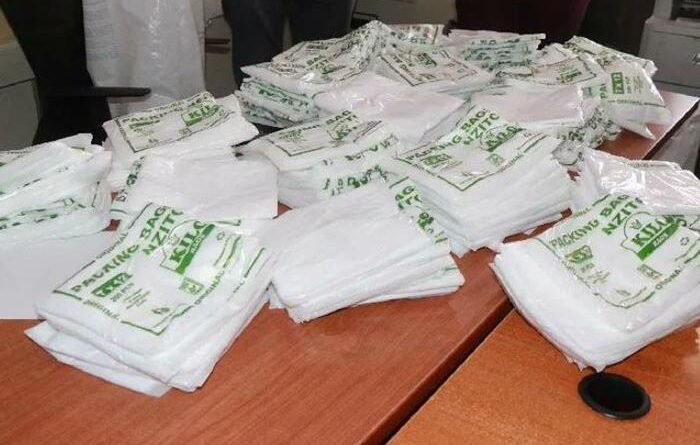
NAIROBI, October 8, 2026 — Kenya’s National Environment Management Authority (NEMA) says enforcement officers seized 90,695 banned single-use plastic bags and apprehended five people during a raid on a manufacturing facility in Njiru, Nairobi.
The authority said the five, including the facility’s owner, were booked at South B Police Station and subsequently released on cash bail pending arraignment at Kibera Law Courts. The arrests and seizure are allegations and enforcement actions; they are not findings of criminal guilt.
What happened in Njiru?
According to NEMA’s account of the operation, officers located a facility allegedly manufacturing prohibited plastic carrier and flat bags. They seized tens of thousands of bags as part of a wider effort to stop illegal production and distribution.
The number of bags recovered offers a measure of the scale of the suspected operation, but does not establish how long the facility had been operating or how many products had already reached retailers. Those details were not confirmed in the information released about the raid.
NEMA has said the five suspects will face the next stage of the legal process at Kibera Law Courts. No conviction was reported in the authority’s announcement.
Why are plastic bags restricted in Kenya?
Kenya introduced a ban on plastic carrier bags used for commercial and household packaging in 2017. The policy was intended to address litter, blocked drainage, harm to wildlife and the long-term environmental costs of plastic waste.
However, the regulatory position is more detailed than a blanket prohibition on every plastic packaging material. NEMA’s September 2025 public notice explains that the Environmental Management and Co-ordination (Management and Control of Plastic Packaging Materials) Regulations, 2024, establish an authorisation framework for certain flat bags, plastic films and related materials.
Under the regulations cited in that notice, manufacturing, importing, exporting, possessing, using or selling regulated flat plastic bags or films without NEMA authorisation can constitute an offence. Businesses therefore need to check whether their specific packaging is prohibited outright or requires regulatory approval, rather than assume all plastic products are treated identically.
What penalties can offenders face?
NEMA’s published guidance states that relevant offences involving unauthorised plastic bags may, upon conviction, attract a fine of KSh2 million to KSh4 million, imprisonment for one to four years, or both. The applicable legal provision and penalty in any individual case must be determined through the court process.
For retailers, manufacturers and distributors, the consequences can extend beyond a court penalty. Confiscation of stock, interrupted operations and reputational damage may also follow enforcement action. The latest Njiru raid is a reminder to verify the origin and regulatory status of packaging supplied to a business.
What should businesses and consumers do?
Businesses handling plastic packaging should review NEMA’s current rules and confirm whether a licence or other authorisation is required. NEMA’s public notice says applications for the relevant authorisation can be made through the authority’s official website.
Consumers can help reduce demand for prohibited carrier bags by using reusable alternatives and avoiding retailers who distribute clearly banned bags. Anyone reporting suspected illegal production should provide information to the relevant authorities rather than confront individuals or circulate unverified accusations online.
What remains unclear?
The authority’s initial account does not publicly establish the facility’s production history, the intended destinations of the seized bags or the precise charges that prosecutors may bring. These details should be confirmed through subsequent NEMA or court updates.
The broader policy challenge is sustained enforcement: occasional raids may remove stock from circulation, but preventing a return to banned packaging also requires monitoring suppliers, retailers and manufacturers and giving businesses clear information about compliant alternatives.
Sources
NEMA public notice on illegal plastic bags and packaging rules (September 2025); National Environment Management Authority official website; Kenya Broadcasting Corporation’s October 8 report on the Njiru raid. The raid figures and arrest status are attributed to NEMA’s October 8 announcement, as reported by Kenya Broadcasting Corporation; Daily Report KE has not independently examined the seized goods or court file.
