
Mombasa Port Expansion: New Berths, Smart Gates and Digital Systems Explained
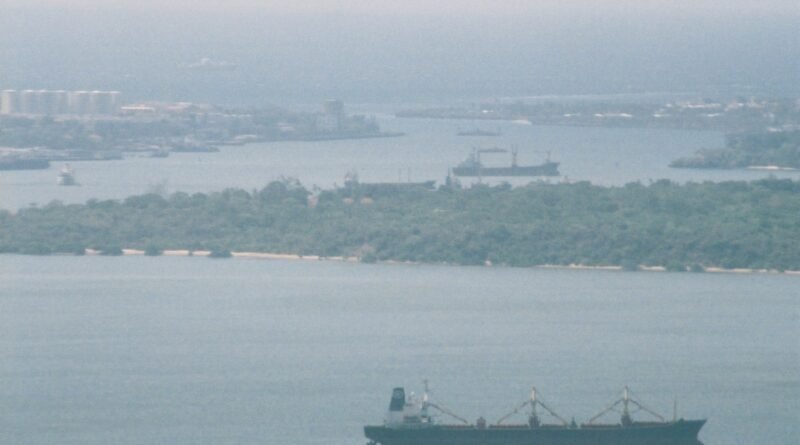
Featured image: Archive photograph of Kilindini Harbour, 2009. Andrew Thomas / Wikimedia Commons, CC BY-SA 2.0. Not the 2026 expansion works.
This report examines developments reported on 13 October and explains what they mean for Kenyan households, businesses and public services.
Why is the port expanding?
Kenya Ports Authority is investing in new berths, cargo-handling facilities and digital operations as trade through the Port of Mombasa grows. According to figures reported by Kenya News Agency on 13 October 2026, the port handled 45.45 million metric tonnes of cargo in 2025, compared with 40.99 million in 2024. Container traffic increased from about 2.00 million to 2.11 million twenty-foot equivalent units (TEUs), while transit cargo rose to 15.88 million tonnes. These figures help explain the pressure to expand capacity.
Berth 19B and container capacity
KPA is constructing berth 19B at an estimated cost of KSh19 billion. The planned 240-metre berth, with a 15-metre draft, is intended to accommodate larger vessels and add capacity equivalent to about 300,000 TEUs. KPA chief executive Capt. William Ruto told KNA that progress was around 56 per cent. That percentage is a reported project update, not confirmation that the new capacity is already available to shipping lines.
What the digital upgrades mean
In July 2026, KPA unveiled a vessel traffic management and information system valued at about KSh1 billion. The system brings together vessel tracking, radar surveillance, marine communications, weather information and related monitoring tools across port sites. Such technology can help operators coordinate ship movements, but actual improvements in turnaround time will depend on operational performance and maintenance, not simply installing software or equipment.
Reducing delays at the port gates
A smart gate at Gate 24 has been completed, according to the authority. Automating entry and exit procedures can reduce manual paperwork and make truck movement easier to monitor. Importers, exporters and transport operators will still need to assess practical outcomes, including queue times, customs clearance, road access and consistency during peak periods.
Dongo Kundu and the longer-term plan
KPA is also implementing a KSh41.1 billion port component at the Mombasa Special Economic Zone in Dongo Kundu, including planned berths and yards. The first multipurpose berth began construction in October 2025 and is scheduled for completion in December 2028. Separately, road infrastructure work valued at KSh8.3 billion is intended to improve cargo flow between the port and the wider Northern Corridor. These projects have different schedules and should not be described as finished.
What businesses should watch next
The expansion could influence transport costs, reliability and trade opportunities across Kenya and neighbouring countries. The practical test will be whether additional infrastructure translates into faster cargo movement and more predictable logistics. Businesses should follow KPA’s published project milestones, shipping performance data and port access updates rather than relying on investment announcements alone.
Source and attribution: Kenya News Agency report published 13 October 2026. Daily Report KE has independently structured this explanatory coverage, with the reported statements and figures attributed to their source.
