
Food Prices Rise in Elgeyo Marakwet as Dry Spell Hits Potatoes, Beans and Milk
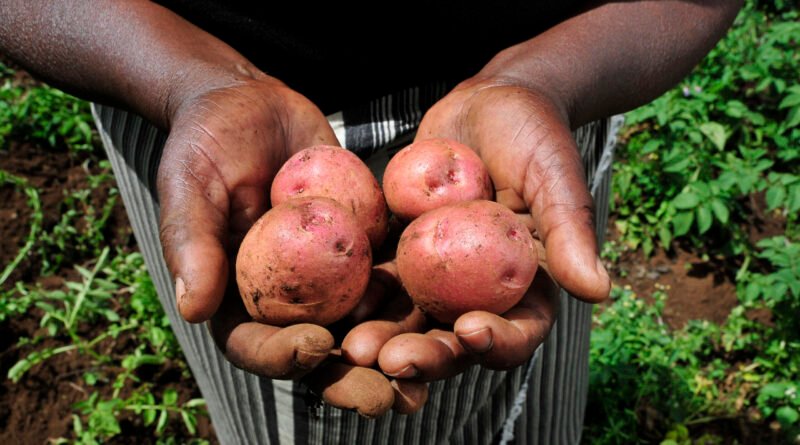
Featured image: Archive photograph of potatoes in Kibirichia near Mount Kenya, 2010. CIAT / Wikimedia Commons, CC BY-SA 2.0. Not the Elgeyo Marakwet market.
This report examines developments reported on 13 October and explains what they mean for Kenyan households, businesses and public services.
What is happening in local markets?
Residents and traders in Kapsowar and Kapcherop have described rising prices for everyday food items following a prolonged dry period that affected farming and pasture. Kenya News Agency reported on 13 October 2026 that a two-kilogram tin of potatoes in Kapsowar was selling at about KSh200, compared with KSh80–100 previously, according to a resident interviewed for its report. The same account put a two-kilogram tin of beans at KSh370, up from KSh240. These are reported local market observations, not official countywide averages.
Why are households paying more?
The immediate concern is reduced supply. A potato trader interviewed by KNA said she was buying a 50-kilogram bag for KSh4,500 at the farm gate, leaving little room to absorb costs before retailing to consumers. Poor maize harvests and limited availability of vegetables have also affected household food choices. When farmers lose a harvest, they may face two pressures at once: less produce to sell and less income with which to purchase other essentials.
Milk production is also under pressure
The dry spell has affected pasture and animal feed availability. One milk seller told KNA that milk prices had risen from about KSh60 to KSh80 per litre as production costs increased. This matters beyond household spending: dairy farming supports livelihoods, and falling yields can reduce earnings even where retail prices are higher. Price changes will vary between outlets and should not be treated as a single price for the whole county.
Will the rains bring prices down?
The return of rain could help restore pasture and support new planting, but fresh crops take time to mature. Households may therefore continue to face higher prices before improved harvests reach markets. Agricultural extension officer Justus Kemboi advised farmers to consider fast-maturing crops suited to prevailing conditions and to seek local guidance on planting dates. Rainfall by itself does not guarantee an immediate recovery, especially where farmers have limited funds to buy seed and other inputs.
What consumers and county officials can watch
Residents can compare prices across markets and plan purchases without assuming that every quoted figure applies throughout Elgeyo Marakwet. For county authorities, useful indicators include market supply, seed access, pasture recovery, extension support and whether vulnerable households can afford basic food. The most important question in the coming weeks is whether sustained rainfall translates into adequate harvests and more stable food availability.
Source and attribution: Kenya News Agency report published 13 October 2026. Daily Report KE has independently structured this explanatory coverage, with the reported statements and figures attributed to their source.
