
Kenya Confirms Third Ebola Case: What Contact Tracing Figures Mean for the Public
Kenya has confirmed a third Ebola infection, with health authorities tracing the latest case to the same family network as the country’s first reported patient.
The latest patient, a 65-year-old woman, had been in quarantine after being identified as a contact of the initial case, according to reports published on Friday, October 16. Authorities say the known infections are linked and that there has been no evidence of wider community transmission so far.
What is known about the third patient?
The woman reportedly developed symptoms while under monitoring and was moved for specialist care after testing positive. Reuters reported that the initial patient, who had travelled from the Democratic Republic of Congo through Uganda, died in Nairobi on October 5.
A second confirmed infection, reported earlier in the week, involved another relative. Its identification led to renewed attention to contact tracing and the handling of people who may have been exposed.
These details do not establish that the outbreak is spreading among the general population. The distinction between infections among known contacts and cases with no identifiable link is an important part of public health surveillance.
Why contact tracing is central
Health teams identify people who may have been exposed to a confirmed patient, monitor them for symptoms and arrange appropriate care when needed. It helps authorities detect illness promptly and reduce the risk of further exposure.
Reuters reported that 127 of 130 contacts linked to the first patient were in quarantine, while three had not yet been located. Such figures can change as investigations progress and more people are identified or cleared.
The public should therefore rely on updated health ministry advisories rather than treat an early contact count as final.
How Ebola spreads
Ebola can spread through direct contact with blood or other bodily fluids of a person who is sick with or has died from the disease, and through contaminated materials. It does not spread through ordinary casual proximity in the same way as common airborne respiratory infections.
Symptoms can include fever, intense weakness, muscle pain, vomiting and diarrhoea. Anyone who develops compatible symptoms after relevant exposure or travel should contact health services promptly and disclose the exposure history before visiting a crowded clinic.
What travellers and families should do
Follow official screening and travel advisories, avoid direct contact with the bodily fluids of someone suspected of having Ebola, and do not handle contaminated bedding or other items without professional guidance. Close contacts should follow instructions from health teams on monitoring, quarantine and referral.
There is no basis for stigmatising patients, their relatives or people arriving from affected areas. Accurate information and early reporting make outbreak control easier.
What comes next?
The immediate indicators to watch are whether additional cases appear outside the known contact network, whether all outstanding contacts are reached and how the confirmed patients respond to care. Kenya’s health authorities are continuing border and airport screening.
This report reflects information available on October 16, 2026, and may need updating as health authorities release new findings.
Sources: Reuters, October 16, 2026; Associated Press, October 16, 2026.
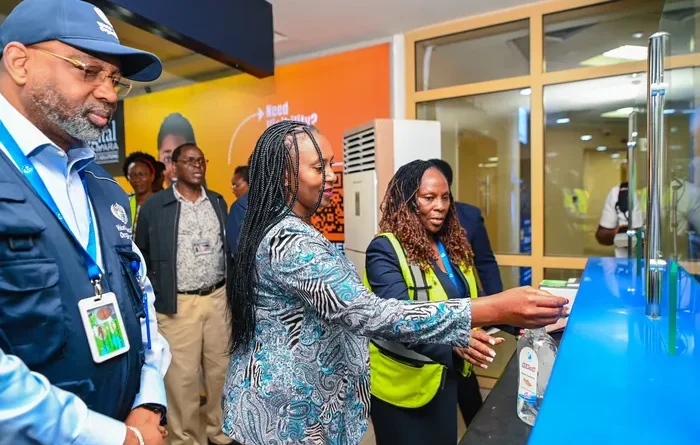
Photograph: Archival image of earlier airport health screening activity, not the October 2026 patients or outbreak response. Source: Kenyans.co.ke. Image reuse permission should be verified.
Editorial clarification: This article records the reported third confirmed infection at the time of publication. It is a historical update, not the latest cumulative case count. See subsequent reporting of eight cases as of 18 October 2026. Official Ministry of Health and WHO communications should be used for current figures.
