
Kenya Seeks Fresh World Bank and AfDB Funding as Debt and Fuel Costs Test Budget
Kenya is negotiating fresh financing from multilateral lenders as policymakers seek to ease pressure on the national budget without further crowding private borrowers out of domestic credit markets.
Central Bank of Kenya Governor Kamau Thugge said on Friday, October 16, that talks involve the World Bank and African Development Bank, according to Reuters. The discussions come as higher fuel costs, global financing conditions and Kenya’s existing debt obligations test the government’s room to manoeuvre.
What Kenya is discussing with lenders
The options under consideration include a potential World Bank development policy operation and a debt-for-food arrangement, alongside possible emergency support for health and climate-related needs. These are discussions rather than confirmed disbursements: a proposed facility does not become budget funding until agreements and applicable conditions have been met.
Thugge indicated that approximately $400 million in emergency financing could be available for health and climate priorities. The precise terms, timing and uses of any approved funding will be important for evaluating its effect on public finances.
Why international financing matters to borrowers
When the government raises large sums from domestic banks and investors, it competes with businesses and households seeking credit. Development-partner financing may help reduce that competition, although its impact depends on borrowing costs, exchange-rate exposure and the government’s actual spending requirements.
For an entrepreneur looking for working capital, the distinction is practical. A reduction in government demand for local funds can create more room for lenders to serve private clients. It does not, however, automatically guarantee lower lending rates or easier loan approvals.
Inflation risks remain
The central bank is monitoring inflation pressures linked to energy costs and international bond yields. Rising fuel prices can spread into transport, distribution and manufacturing costs, eventually affecting consumers even if the initial change appears only at petrol stations.
Lower prices for some food products could provide a partial offset, but the overall impact will depend on how long fuel pressures persist and how businesses adjust their prices.
The benchmark lending rate has been maintained at 8.75%, while the CBK governor cited growth projections of about 5% in 2026 and 5.3% in 2027. Forecasts are expectations, not guaranteed outcomes.
What about an IMF programme?
Thugge said a new IMF programme is not currently planned, while acknowledging the potential benefits of concessional support. An IMF team is expected in December for a routine assessment.
For taxpayers, the central question is not simply how much money Kenya can secure. It is whether new financing comes at manageable cost, supports essential services and produces outcomes that can be monitored publicly.
What to watch next
Three developments will help determine whether the discussions make a difference: formal financing agreements, disclosures of terms and conditions, and evidence that public borrowing needs are becoming more sustainable. Progress on those fronts would matter to investors, banks and households alike.
Source and verification: Reporting on remarks by the CBK governor: Reuters, October 16, 2026. Background on the governor: Central Bank of Kenya.
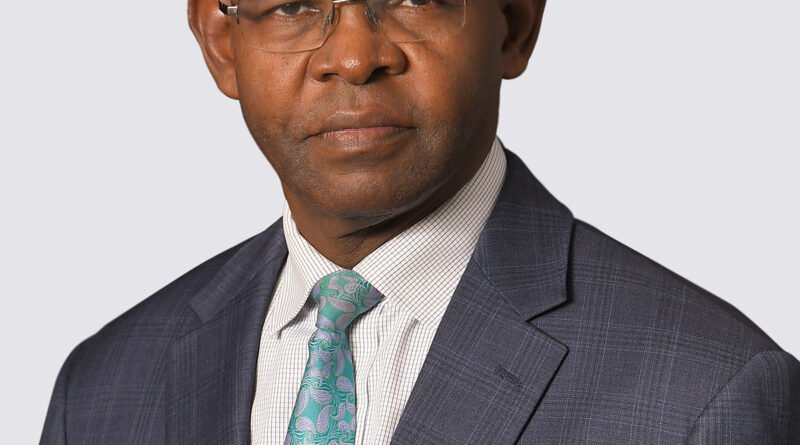
Image: Dr Kamau Thugge, archival portrait courtesy of Kenya Deposit Insurance Corporation. Image reuse permission should be verified.
