
DCI Anti-Money-Laundering Training: What Kenya Is Trying to Fix Under FATF Monitoring
By Kelvin Kibet | Updated October 1, 2026
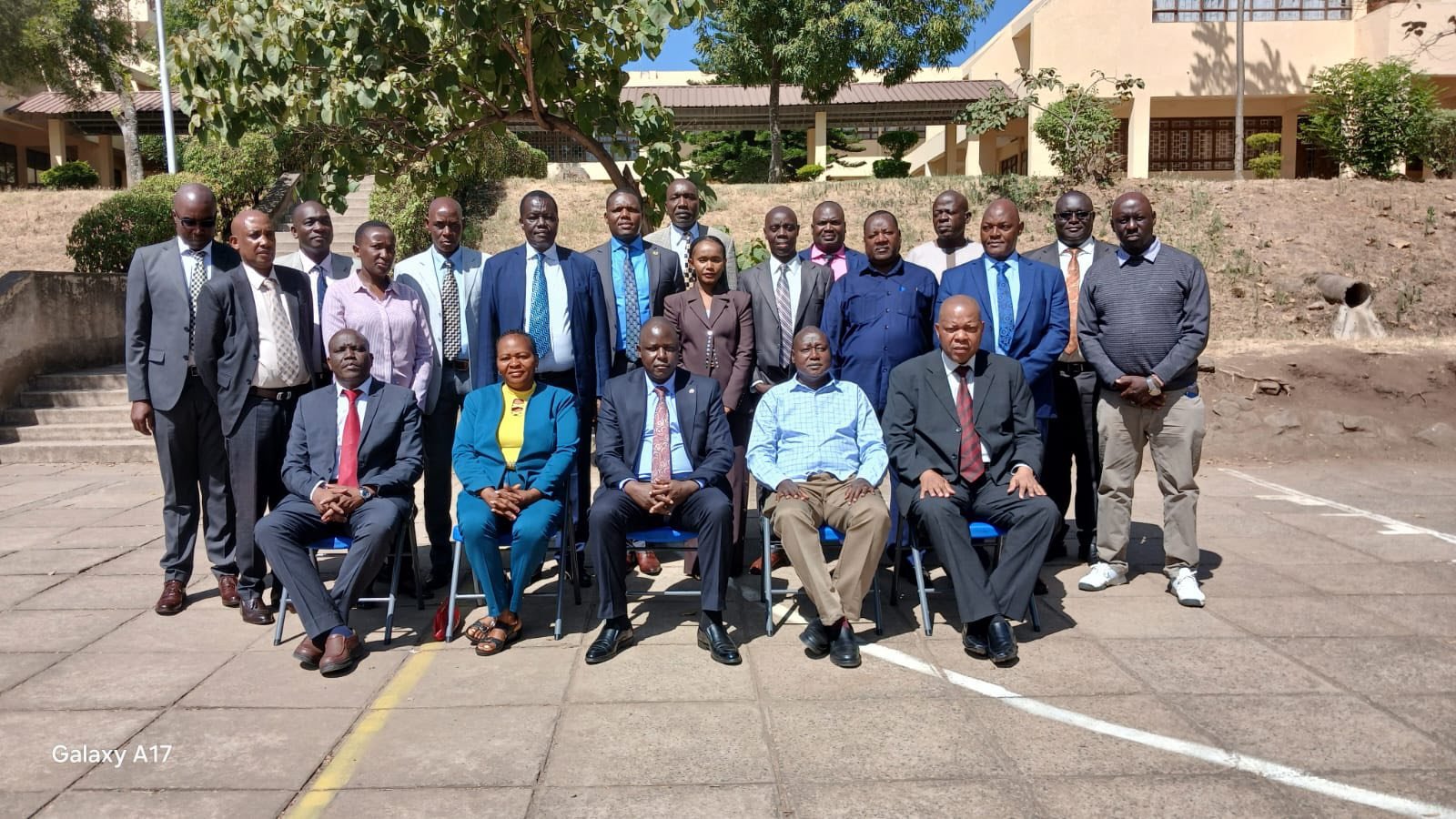
The Directorate of Criminal Investigations held anti-money-laundering training for senior officers in Mombasa and Nakuru in February 2026 as Kenya continued addressing weaknesses identified by the Financial Action Task Force.
What the training covered
The sessions focused on money laundering, terrorism financing and proliferation financing, including how investigators trace suspicious financial flows and build cases involving complex ownership structures or digital assets.
What FATF increased monitoring means
Kenya has been under FATF increased monitoring since 2024. That status does not mean the country is cut off from the global financial system. It means Kenya has committed to an action plan addressing strategic weaknesses in its anti-money-laundering and counter-terrorism-financing framework.
Training alone is not the target
FATF evaluates whether countries can effectively identify, investigate and prosecute financial crime, not simply whether officers attend workshops. The practical measure is whether better training leads to stronger financial intelligence, more effective asset tracing and cases that withstand court scrutiny.
Why this matters to the wider economy
Weak controls against illicit finance can increase compliance costs, damage confidence and expose financial institutions and businesses to greater risk. Stronger enforcement must still follow due process and distinguish suspicion from proven criminal conduct.
What investigators need in complex financial cases
Money-laundering investigations often require bank records, company-ownership data, digital evidence and cooperation between agencies. Investigators must establish the movement and origin of funds while preserving evidence in a form that prosecutors can use in court.
Why beneficial ownership matters
One challenge in financial-crime cases is identifying the individuals who ultimately control companies or assets. Strong beneficial-ownership records can make it harder to hide proceeds behind layers of corporate entities or nominees.
Kenya’s progress will ultimately be judged through measurable outcomes such as stronger investigations, effective prosecutions, asset recovery and compliance improvements across regulated sectors.
