
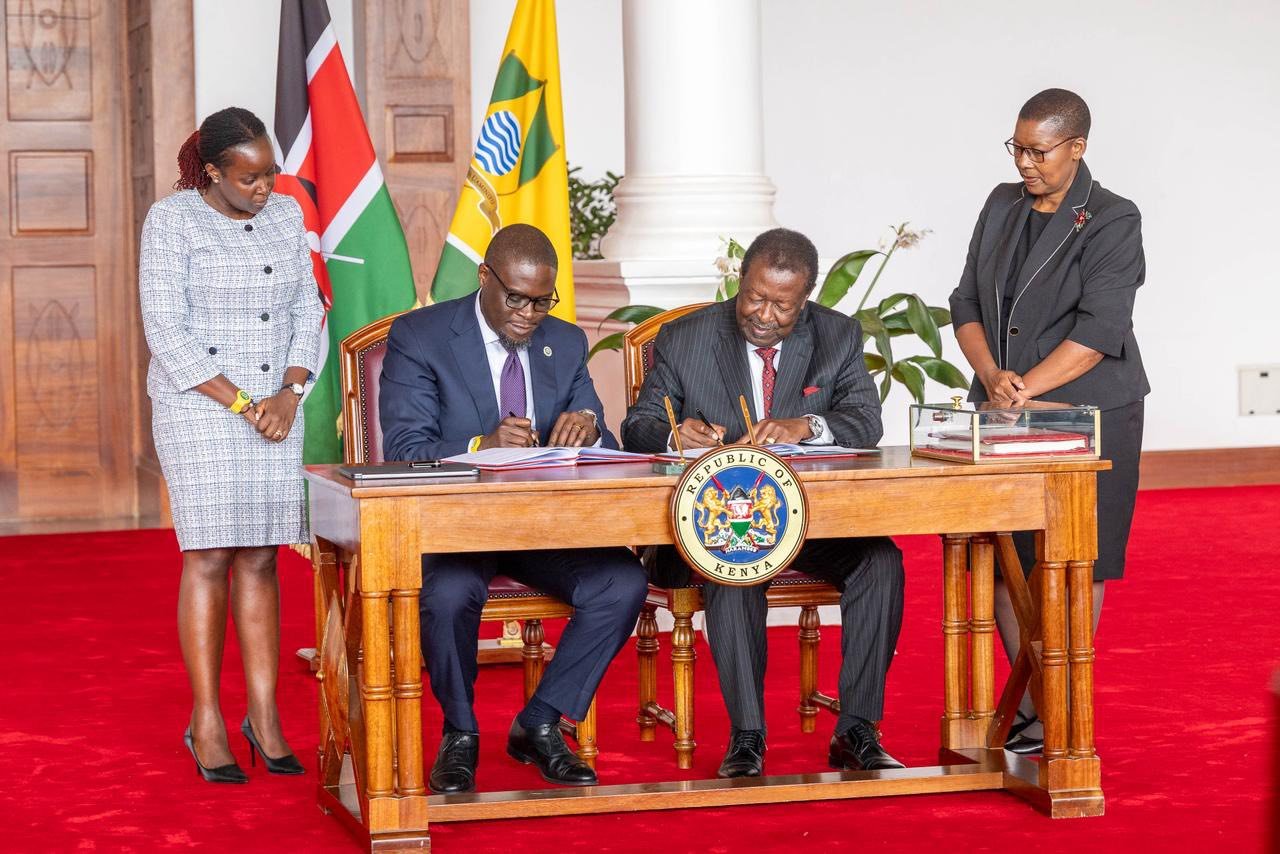
Ruto-Sakaja KSh80 Billion Nairobi Cooperation Pact: What It Covers and What Happened Next
By Shiled Jerono | Updated October 1, 2026
The national government and Nairobi City County signed an KSh80 billion cooperation agreement in February 2026 covering infrastructure and service-delivery projects across the capital.
What the pact covers
The agreement spans roads, water and sewerage, street lighting, electricity connections, drainage, waste management and other city infrastructure. President William Ruto and Governor Johnson Sakaja presented it as a joint implementation framework rather than a transfer of county functions.
Government statements identified projects including street-light expansion, last-mile electricity connections, sewer infrastructure, road rehabilitation and solid-waste facilities.
Why the agreement attracted political scrutiny
Some Nairobi leaders questioned the legal structure, financing and implications for devolution. The Nairobi County Assembly formed an ad hoc committee and held public hearings on the pact in February.
Supporters argued that coordinated financing could accelerate long-delayed projects, while critics said any national-county arrangement must preserve constitutional responsibilities and provide transparent accounting.
The wider Nairobi investment figure later increased
In May, President Ruto separately said the national government was investing about KSh143 billion in wider Nairobi infrastructure connected to the expansion of the United Nations Office at Nairobi and other city upgrades. That later figure should not be confused with the original KSh80 billion cooperation pact.
What residents should watch
- Which projects receive actual budget allocations.
- Procurement and implementation timelines.
- How national and county responsibilities are divided.
- Whether promised roads, lighting, water and waste projects are completed.
What Nairobi residents should measure
The value of the agreement is ultimately measured in completed projects, not announced allocations. Residents should look for kilometres of roads rehabilitated, functioning streetlights, sewer connections completed, water losses reduced and waste facilities actually operational.
Because the programme combines national and county responsibilities, transparent reporting on which government is funding and implementing each component will also matter for accountability.
