
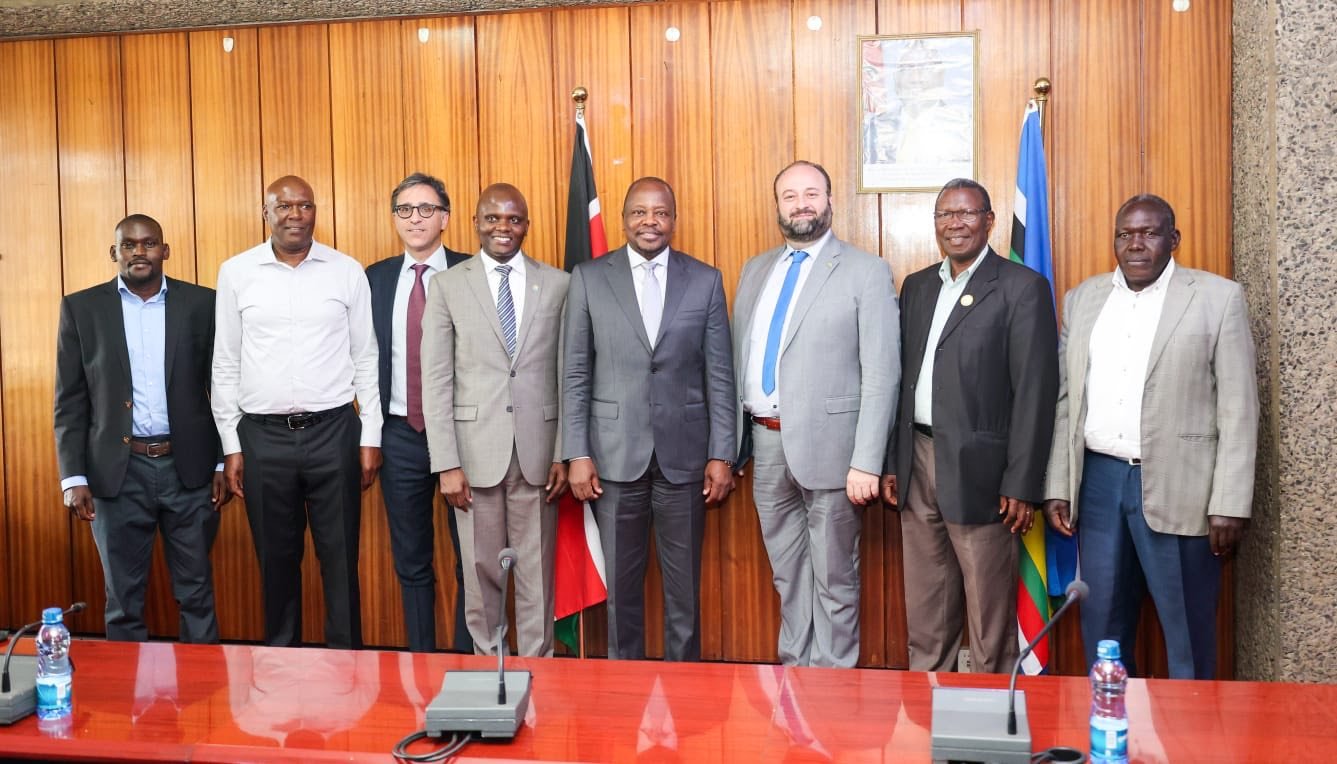
WFO Annual Meeting in Nairobi: Key Outcomes for Farmers
The World Farmers’ Organisation (WFO) held its 2026 Annual Meeting in Nairobi from June 8 to 11 with more than 500 representatives from farmer organisations, governments, research institutions, civil society and business, according to the organisation’s post-event report. The gathering was co-hosted with the Kenya National Farmers’ Federation (KENAFF).
What the Nairobi meeting decided
The most concrete outcomes came from the WFO General Assembly on June 10. Members adopted a policy on land use and land tenure and elected Kenya’s Daniel Mwendah M’Mailutha as WFO president for the 2026–2028 term. The four-day programme also included thematic discussions and field visits.
The land policy is a position adopted by an international farmers’ organisation. It is not a Kenyan law or a government land programme. Likewise, the election of a Kenyan president gives Kenya a leadership role in WFO, but does not itself create funding or services for Kenyan farmers.
Why the event mattered to Kenyan farmers
Hosting the meeting gave KENAFF and local agricultural stakeholders a platform to engage with international farmer groups and policy discussions. The practical value for farmers will depend on what organisations and government agencies do after the event: for example, whether they turn the discussions on land rights, investment and women’s participation into funded programmes or policy changes. The meeting report does not announce a specific Kenyan project budget or delivery timetable.
Event facts
- Dates: June 8–11, 2026
- Location: Nairobi, Kenya
- Convenors: WFO and its Kenyan member organisation, KENAFF
- Attendance: More than 500 representatives, according to WFO
- Key outcomes: WFO policy on land use and tenure; Daniel Mwendah M’Mailutha elected president for 2026–2028
Sources
- WFO’s post-event report and General Assembly outcomes
- WFO announcement of Daniel Mwendah M’Mailutha’s election
- KENAFF’s account of the meeting’s Kenyan context
Updated October 9, 2026. WFO’s reported decisions and attendance are attributed to the organisation. This article does not treat event discussions as enacted government policy.
