
Ruto–Sakaja Nairobi Cooperation Agreement: Court Conditions and What Residents Should Know
By Shiled Jerono | Updated October 9, 2026
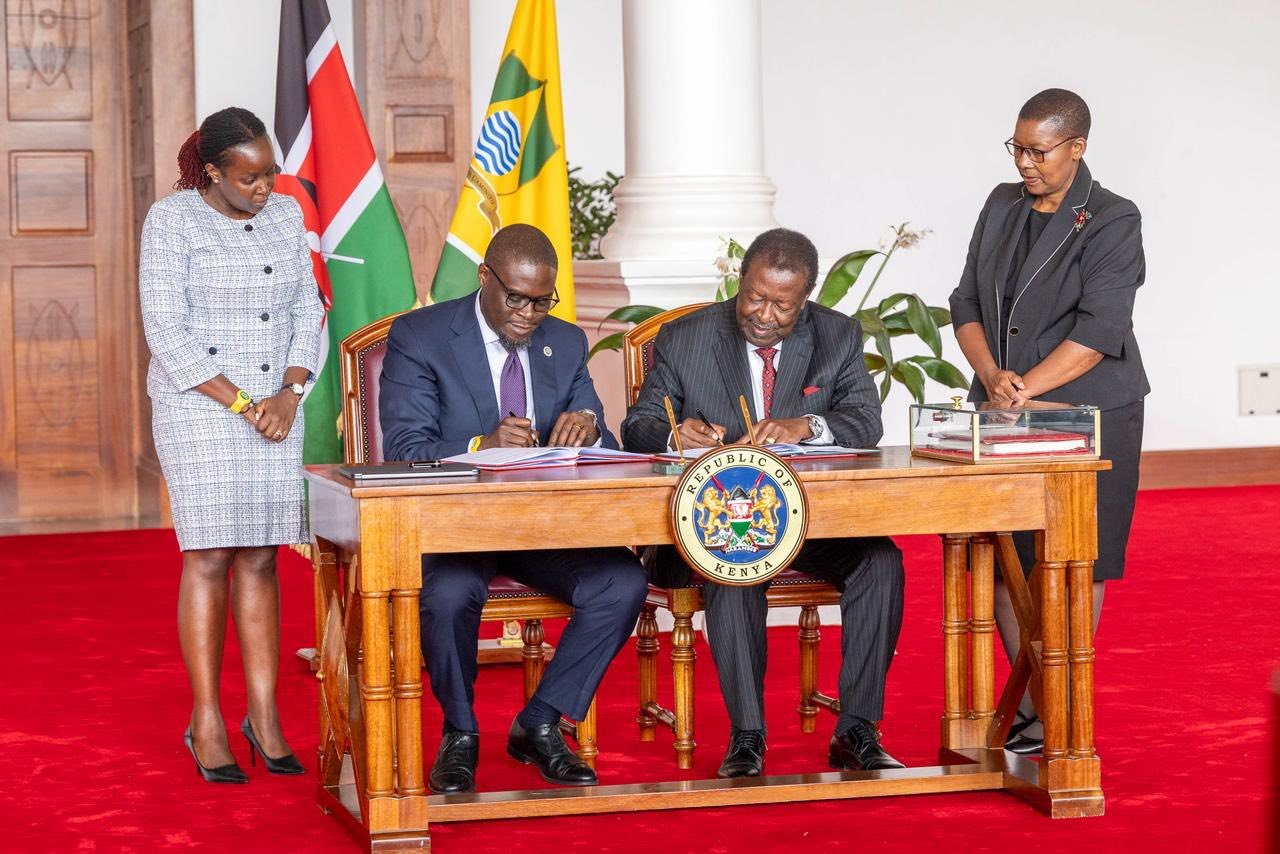
The National Government and Nairobi City County signed a cooperation agreement on February 17, 2026, for joint work on city services and infrastructure. It is commonly described as an KSh80 billion pact, but that figure is not stated in the signed agreement itself. A Senate committee later said the figure came from an oral submission by the Prime Cabinet Secretary and that the agreement did not specify the funding source or mechanism.
What the agreement covers
The published agreement sets up structures for cooperation between the two levels of government. Public announcements have associated the programme with roads, drainage, water and sewerage, street lighting, waste management and other city projects. The detailed project list and how each project is funded are important because they determine what residents can monitor and which public body is accountable.
September 2026: the High Court set conditions
On September 28, the High Court declined to suspend the agreement outright but issued interim conditions while a constitutional challenge proceeds. The orders say county functions, powers, assets, staff or revenue cannot be transferred to or exercised by the National Government unless the requirements of Article 187 of the Constitution are followed.
The court also directed that public funds may not be committed, released or spent on projects under the agreement unless authorised by Parliament or the Nairobi County Assembly, or provided to Nairobi County as an additional national-government allocation under Article 202(2). The Governor and Prime Cabinet Secretary were directed to disclose the agreement being implemented, projects undertaken, funding sources and committee minutes. The County Assembly was also directed to file its committee report and records concerning public participation and approval.
The court has not made a final ruling on whether the agreement is constitutional. The broader case is scheduled for a full hearing on February 18, 2027, according to the petitioner’s update on the orders.
What residents should look for
- Whether each project and funding source is publicly identified.
- Whether budgets and spending receive the approvals required by the September court order.
- Which level of government is responsible for procurement, delivery and maintenance.
- Public reporting on completed roads, drainage, water connections, lighting and waste facilities.
- Whether county functions or assets are transferred only through the constitutional process.
The agreement’s announcement is not proof that KSh80 billion has been budgeted or spent. Residents can use the published agreement, budget documents, County Assembly records and court filings to check what has actually been approved and delivered.
Sources
- Kenya Gazette: signed National Government–Nairobi City County Cooperation Agreement
- Senate Hansard, August 5, 2026: committee findings on the agreement’s financing and oversight
- Kenyans.co.ke: September 28 High Court spending conditions
- Kibra News Network: court disclosure directions and February 2027 hearing date
