
Thika Medical Student Found Dead in Gacagi: 5 Facts
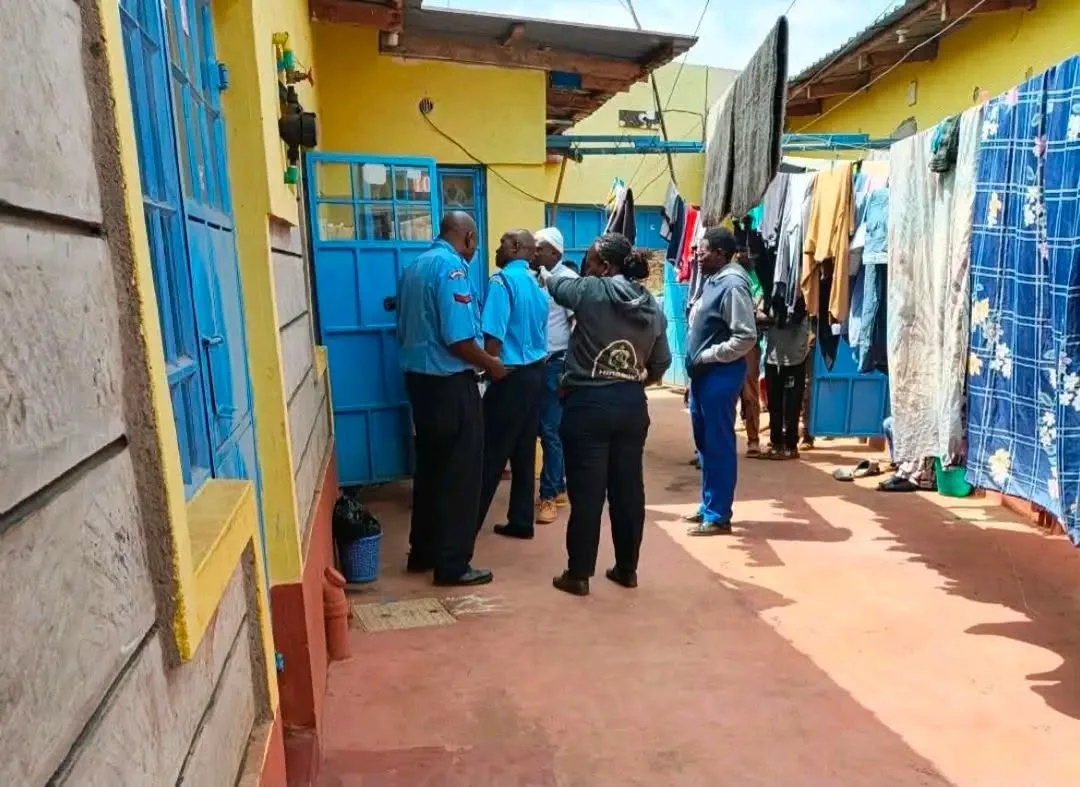
A Thika medical student found dead in her rented house in Gacagi on Saturday has left her college community in shock as police launch investigations into the circumstances surrounding her death. The student, enrolled at a Thika-based Medical Training College, was reportedly discovered unresponsive inside her residence, prompting an immediate response from local authorities.
Below are five key facts about the case, along with the wider context of similar recent incidents affecting Kenyan students and practical safety resources.
1. How the Thika Medical Student Was Found Dead
The student was discovered unresponsive inside her rented house in Gacagi, Thika, on Saturday. Neighbours and acquaintances raised the alarm after she could not be reached for an extended period, leading to the discovery. Her remains were subsequently moved to the mortuary pending further examination.
2. Police Response and Investigation Status
Detectives processed the scene where the Thika medical student was found dead, collecting physical evidence and recording statements from witnesses, neighbours, and classmates.
As of now, police have not publicly disclosed the cause of death nor confirmed whether foul play is suspected. Investigators emphasize that the inquiry remains active and are appealing to anyone with relevant information to assist authorities.
3. Postmortem Examination Expected
A postmortem examination will determine the exact cause of death. Pathologists are expected to evaluate the body for signs of trauma, toxicity, or underlying medical conditions. The autopsy findings will serve as a crucial benchmark for determining the next phase of the police investigation.
4. Part of a Wider, Troubling Pattern in Kenya
This incident follows a string of student fatalities reported in 2026, particularly around the greater Thika region and medical training centers. In recent months, institutions including Kenya Medical Training College (KMTC) campuses and Thika Technical Training Institute have mourned students lost to hostel incidents, road accidents involving public transport, and violent attacks in off-campus housing.
KMTC leadership has publicly acknowledged the emotional strain these losses place on the student body, intensifying calls for a comprehensive review of off-campus student housing security, transit safety, and mental health interventions across tertiary institutions.
5. Essential Resources for Student Safety & Wellbeing
In light of rising concerns regarding off-campus safety, gender-based violence (GBV), and mental health challenges among students, emergency support services remain available across Kenya:
Emergency Support & Helplines in Kenya:
- National GBV Hotline: Dial 1195 (toll-free, 24/7 emergency rescue and tele-counselling)
- Police Emergency: Dial 999 or 112
- Befrienders Kenya (mental health & suicide prevention): Call or text 0722 178 177 (7 am–9 pm daily)
- Childline Kenya: Dial 116
What Happens Next
Investigations into the Thika medical student’s death remain active. Police updates are expected following the completion of the postmortem and final witness statement reviews. Meanwhile, academic institutions are being urged to enhance wellness monitoring and secure housing protocols for off-campus trainees.
This is a developing story. Names have been withheld pending notification of next of kin. This article discusses a sensitive topic; if you or someone you know is struggling, the resources above are available free of charge.
