Mavoko, Machakos County | February 3, 2026
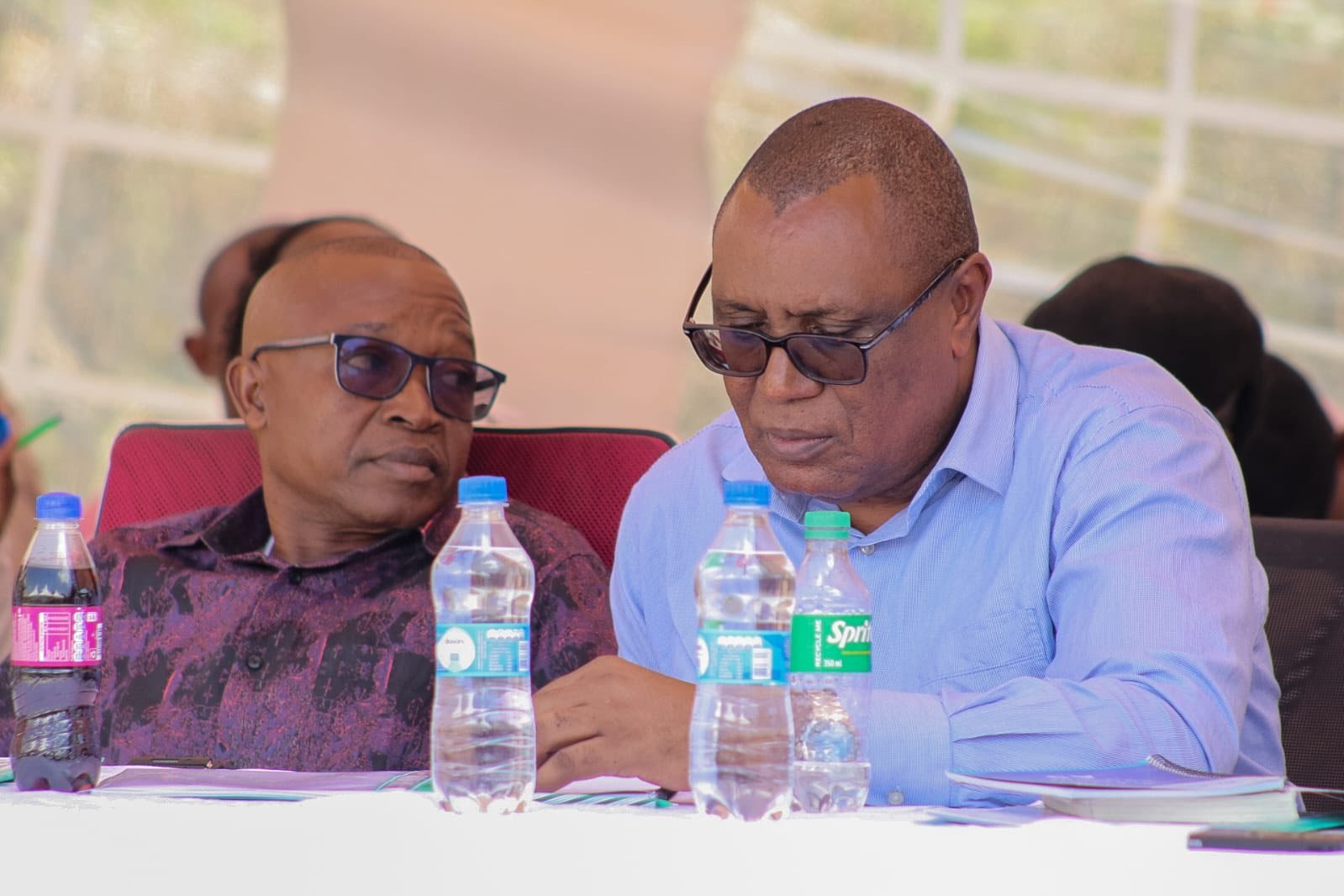
Members of the public in Machakos County took part in a consultative session on the proposed partial divestiture of the Government of Kenya’s shareholding in Safaricom PLC. The exercise, held at the Mavoko National Government Constituency Development Fund (NG-CDF) Offices, was organized by the Joint-sitting of the Departmental Committee on Finance and National Planning and the Select Committee on Public Debt and Privatization.
Purpose of the Public Participation
The session focused on Sessional Paper No. 3, which outlines plans for the government to sell a portion of its shares in Safaricom PLC. Before discussions began, attendees were briefed on the facts surrounding the proposed divestiture to ensure informed participation.
Lawmakers emphasized that the primary objective of the divestiture is to raise funds for crucial infrastructure development, rather than resorting to borrowing.
Public Concerns and Submissions
Several members of the public raised concerns regarding the potential loss of government control over Safaricom, particularly with respect to the pricing of the telco’s services:
“Are Kenyans safe if the government loses majority shareholding in Safaricom? Are we likely to see an increase in transaction costs if foreigners gain control of the telco?” asked Rev. Zach, a resident of Mavoko.
Some residents proposed that at least 5% of the 15% shareholding proposed for divestiture to Vodafone be reserved for Kenyan investors through the Nairobi Securities Exchange.
“Why can’t Parliament intervene to allow Kenyans to purchase a portion of the shares? This would ensure wider local ownership,” suggested Rev. Daniel Mutua.
Other members of the public supported the divestiture, highlighting that it would accelerate national infrastructure development. However, they urged that proceeds from the sale be directed to the National Treasury rather than the proposed National Infrastructure Fund to enhance transparency and accountability.
“I support the sale if the proceeds are properly accounted for. Directing the funds to the Treasury would promote accountability,” said Ms. Mutui, a resident.
Broader Recommendations
Some residents suggested that a portion of the proceeds be allocated to critical sectors, such as health, including cancer treatment and other medical needs. Others raised concerns about job security, noting that employees of Safaricom currently enjoy protection for three years, which may lapse post-divestiture.
Additionally, the public urged that Safaricom, Kenya’s most profitable company, be safeguarded, and proposed that the government consider privatizing other underperforming parastatals instead of profitable entities.
Lawmakers’ Response
The session was chaired by Hon. Benjamin Langat (Ainamoi), Vice Chairperson of the Departmental Committee on Finance and National Planning, and attended by Hon. David Mboni (Kitui Rural) and Hon. Chiforomodo Mangale (Lungalunga).
Hon. Langat assured participants that all views and submissions will be considered when the Committee retreats to review public input and finalize recommendations.
“We value the feedback from Kenyans, and these consultations will inform the Committee’s decisions regarding the proposed divestiture,” he said.
Next Steps
The Committee will analyze all submissions before making recommendations to Parliament, ensuring that public opinion and national interests are integrated into any final decision regarding Safaricom’s partial divestiture.