
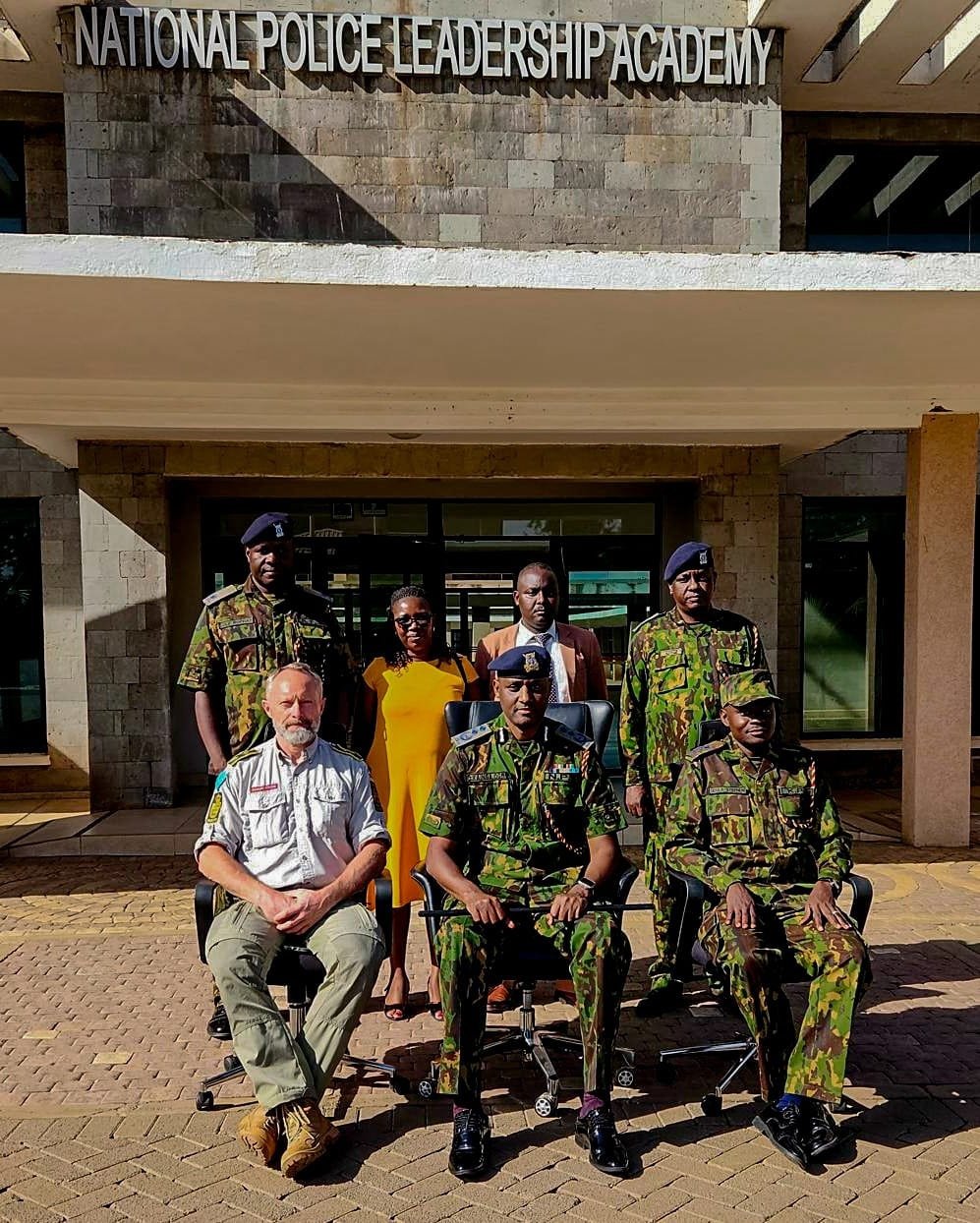
National Police Leadership Academy Hosts Eastern Africa Standby Force in Ngong
By Daily Report KE | Updated October 1, 2026
The National Police Leadership Academy in Ngong hosted officials from the Eastern Africa Standby Force in early February 2026 for discussions on peace-operations training and deeper institutional cooperation.
Who Took Part
The visiting delegation included Allan Riis, a senior police adviser to the EASF Police Component, Stephen Odula, an EASF personnel and administration officer, and other officials. The academy delegation was led by Commandant David K. Mathiu.
What the Visit Focused On
The discussions explored cooperation in peace-operations training, including the possibility of strengthening the academy’s role as a regional police-training centre linked to EASF standards and programmes.
That type of collaboration matters because EASF is a multidimensional regional mechanism that brings together military, police and civilian capabilities for peace-support and security operations in Eastern Africa.
The Wider Kenya-EASF Relationship
The February academy engagement formed part of a broader pattern of cooperation. Later that month, EASF Director Brigadier (Rtd) Paul Kahuria Njema met Inspector General Douglas Kanja in Nairobi, where the two sides discussed joint initiatives, structured training and regional security cooperation.
EASF materials also identify Allan Riis as a senior police adviser involved in regional police training programmes, including courses supported by Denmark.
Why It Matters
For Kenya, closer cooperation with EASF can strengthen preparation for peace-support deployments, standardise specialist training and expose officers to regional approaches for responding to cross-border security challenges.
What Accreditation Could Mean
If the academy gains a stronger role in EASF training, Kenyan police instructors and trainees could participate more regularly in standardised regional peace-support programmes. That could also make the Ngong facility a venue for multinational police exercises and specialist courses.
Why Regional Standards Matter
Peace-support operations require officers from different countries to work under common procedures. Shared training can reduce differences in command structures, reporting and operational practice before officers are deployed together.
The February visit was therefore best understood as an institutional-cooperation step rather than evidence that a new deployment or accreditation had already been approved.
