
Kenya’s Ebola Cases Rise to Seven as Health Workers Among New Infections
Historical report: The seven-case total below was reported on October 17, 2026. WHO’s October 23 notice gives nine cases as of October 20; its October 26 Kenya update records nine cases and two deaths. This article preserves the earlier report and is not a live tally.
NAIROBI, October 18, 2026 — Kenya’s confirmed Ebola cases have risen to seven after authorities identified four additional infections linked to the country’s first patient, according to the Ministry of Health figures reported by Reuters and the Associated Press. Three of the latest patients are healthcare workers who treated the first case; the fourth is a relative.
All four were already in quarantine when their infections were detected, a distinction that matters to the assessment of wider exposure. The first patient had travelled from the Democratic Republic of Congo through Uganda and died on October 5. The confirmed infections are linked to that case rather than evidence of an unidentified nationwide chain of transmission.
How far has contact tracing progressed?
Health officials had identified approximately 130 contacts and traced 128 of them. That leaves two still being located, based on the October 17 reporting. Contact tracing involves identifying people who may have been exposed, monitoring for symptoms and arranging safe assessment when needed. The number of people being monitored should not be confused with the number of confirmed infections.
Why infection among health workers matters
Healthcare staff often encounter a patient before an infectious disease is recognised, especially when early symptoms resemble more common illnesses. The new cases underscore the importance of adequate personal protective equipment, triage and infection-prevention procedures. Protecting clinical teams also helps keep routine medical services functioning.
What the public should know
Ebola is transmitted through direct contact with infected body fluids or contaminated materials, not simply by being in the same public place. The outbreak involves the Bundibugyo virus, for which no approved strain-specific vaccine or treatment was reported. People concerned about a possible exposure should follow Ministry of Health guidance rather than relying on rumours or attempting to diagnose themselves.
The October 17 reporting did not announce general restrictions on public gatherings or travel. That historical position is not a substitute for current entry and health requirements. This does not remove the need for vigilance, particularly for people identified as close contacts.
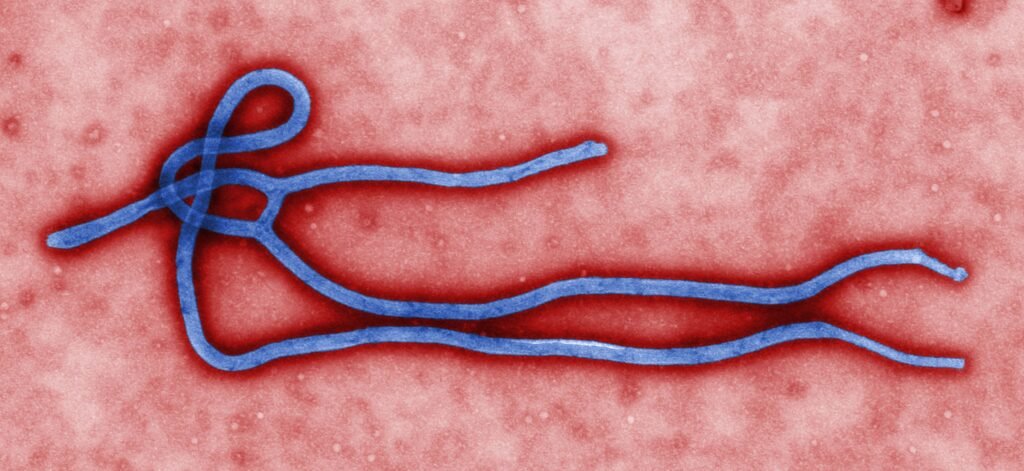
Image: Archival photograph of health screening in Kenya; not the newly confirmed patients.
Reporting and verification
This report uses the October 17 updates carried by Reuters and Associated Press, with additional original explanatory context. Case totals may change as more tests are completed.
Later update, November 3, 2026: The Ministry of Health reported nine confirmed cases, two deaths, five patient recoveries and 46 contacts completing their monitoring period. Read Daily Report’s November 3 update and its source documents. The figures in the original report above remain historical.
