
Kenya Outlines Water Infrastructure Plans for Arid and Semi-Arid Counties
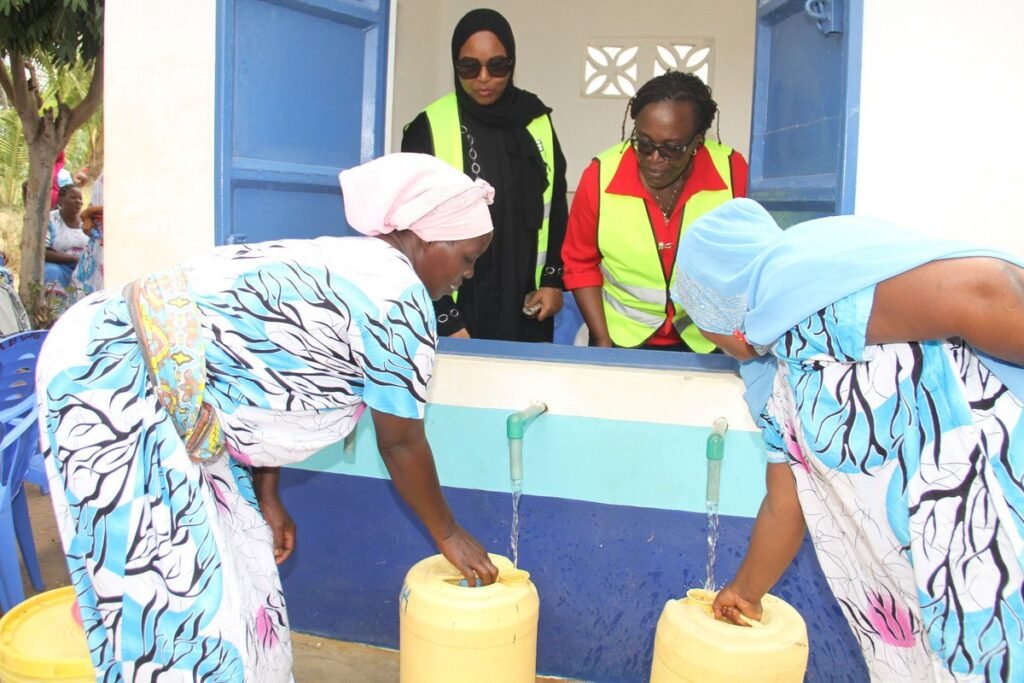
Featured image: Archive photograph of a community water collection point in Mombasa. It illustrates water access in Kenya and does not depict a project announced for arid and semi-arid counties.
NAIROBI, 13 October 2026 — Kenya has outlined plans to expand water infrastructure and irrigation in arid and semi-arid areas, according to Kenya News Agency coverage dated 12 October.
Why it matters
Reliable water supply can help communities manage dry seasons and reduce dependence on rainfall, but infrastructure needs maintenance, transparent allocation rules and attention to the competing needs of households, livestock and farms.
Water projects need reliable sources
Irrigation and water-supply infrastructure can reduce exposure to dry spells, but they also depend on the sustainable availability of water. Project design should account for seasonal flow, competing uses, maintenance and environmental effects. Infrastructure that cannot be maintained may offer little lasting benefit.
How communities can assess delivery
Residents can ask for the specific project location, budget, implementing agency, completion timetable and expected beneficiaries. Once facilities open, service reliability and affordability are more useful indicators than the number of launch ceremonies. Public updates should distinguish feasibility studies, funded contracts, construction and actual access to water.
What readers should watch next
Projects should be evaluated against water availability, environmental safeguards, costs and the number of residents who actually gain dependable service. Announced plans should not be described as completed projects.
Original reporting: Kenya News Agency: water infrastructure plans. Daily Report KE provides additional reader-focused context and analysis.
