Kenya’s banking industry has welcomed the government’s plan to exempt workers earning below 30,000 shillings ($230) per month from Pay As You Earn (PAYE) income tax, while urging wider tax cuts to help restore household purchasing power and support economic growth.
Treasury Cabinet Secretary John Mbadi said the government will table a Tax Laws Amendment Bill in parliament to formalise the exemption ahead of the Finance Bill 2026, a move expected to benefit more than 1.5 million low-income earners.
“We have agreed with the President that low-income earners should be given a reprieve,” Mbadi said earlier this month, adding that he expects strong parliamentary backing for the measure.
Kenya has about 3.65 million salaried workers, according to Treasury data, with roughly 1.5 million earning 30,000 shillings or less.
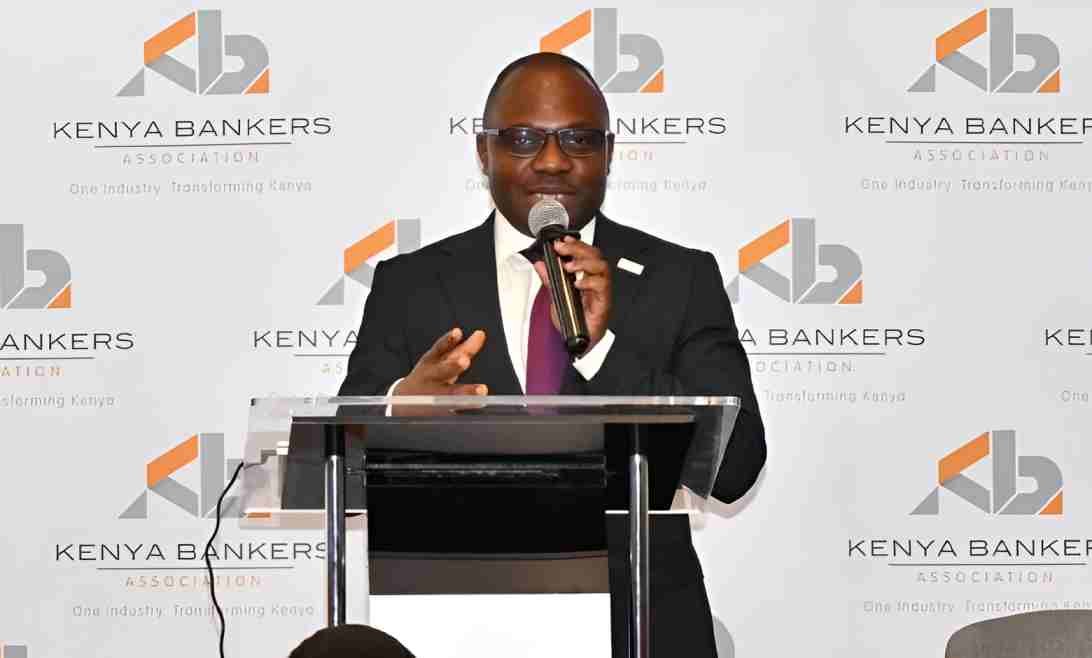
The Kenya Bankers Association (KBA) said the move aligns with proposals it submitted to the National Treasury in December, calling for a comprehensive review of PAYE tax bands to boost disposable incomes and stimulate consumption-led growth.
Under the bankers’ proposal, income below 30,000 shillings would be exempt from PAYE, with progressive rates rising to a maximum of 30%, compared with the current top rate of 35%.
“The purchasing power of salaried Kenyans has fallen significantly in recent years,” KBA Chief Executive Raimond Molenje said. “Increasing take-home pay would support spending, savings and investment, strengthening businesses and government revenue.”
Kenyan workers have faced rising statutory deductions following the Finance Act 2023, which raised PAYE rates and introduced new levies, including a 1.5% housing levy, a 2.75% social health insurance contribution, and progressively higher NSSF pension payments, set to reach 6% of wages by 2027.
According to the Parliamentary Budget Office, real wages declined by 10.7% in 2024, intensifying pressure on households amid elevated food, fuel and housing costs.
Beyond the exemption threshold, bankers are calling for a uniform five-percentage-point reduction across all PAYE bands and a cap of 30% on the highest personal income tax rate, in line with Kenya’s National Tax Policy approved in 2023.
Mbadi said the amendment bill would also propose a 5% PAYE reduction for workers earning between 30,000 and 50,000 shillings, lowering their tax rate to 25%, as part of broader efforts to cushion low- and middle-income earners.
Bankers say easing labour taxation would improve loan repayment capacity, expand access to credit for households and small businesses, and support job creation, while boosting government revenue through higher consumption rather than heavier taxation of wages.