
EAC Youth Agribusiness Platform: What Kenya’s Young Farmers Should Know
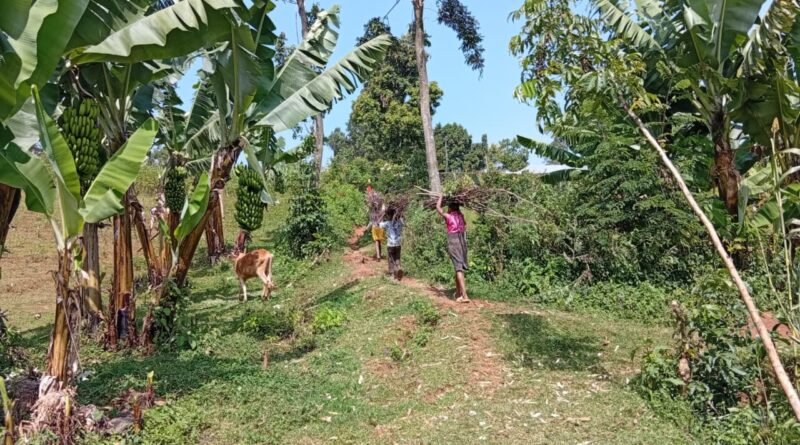
Featured image: Archive image of rural agriculture in Kuria East, Migori County, June 2026. Queen Asali / Wikimedia Commons, CC BY-SA 4.0. Not the EAC workshop.
14 October 2026 — Developments reported on 13 October have implications for Kenyan communities and public services. Here is what is known, what remains uncertain and what readers should watch.
What happened
The East African Community is encouraging more young people to participate in farming, food processing and agricultural trade as regional governments work to implement the Kampala Declaration and the EAC Regional Agri-Food Systems Investment Plan for 2026–2035. At a Nairobi workshop reported on 13 October, EAC agriculture official Dr David Balikowa described a regional Youth in Agri-Food Systems platform and a Youth in Agri-Business Portal. The portal was reported to have nearly 3,000 youth registrants from eight partner states.
Why the development matters
The proposed national coordination platform could help connect Kenyan youth to regional discussions and programmes, but a portal registration should not be confused with an approved grant, a job offer or a guaranteed buyer. The regional plan focuses on productivity, value addition, trade, climate resilience and employment. The practical barriers remain expensive land, inputs, transport and credit, together with unpredictable weather and low margins.
What happens next
Anyone considering agribusiness should first identify a realistic market, estimate production and transport costs, check access to water and quality inputs, and verify potential partners. Training and mentorship may be useful, but sound business planning remains essential. Youth should rely on official EAC and ministry communications for actual programme eligibility, application deadlines and funding details.
Questions that still need answers
Announcements and initial reports are a starting point, not the end of public scrutiny. The relevant organisations should publish timely updates, including progress, schedules and measurable outcomes. Daily Report KE will distinguish between stated plans, verified results and information that has not yet been independently established.
For readers, the most reliable next step is to consult the responsible institution’s official channels for changes after this report was prepared. Figures and plans cited above reflect information available in the 13 October source report; subsequent developments may alter the situation.
Reporting source: Kenya News Agency, 13 October 2026. This Daily Report KE article adds explanatory context and does not represent an independently witnessed account of the event.
