
Doctors’ Union Calls for Better Protection of Health Workers During Ebola Response
NAIROBI, October 18, 2026 — The confirmation of Ebola infection among three Kenyan healthcare workers has put renewed scrutiny on the protective measures available to staff responding to the Bundibugyo-virus outbreak.
The three employees were among four additional infections reported on October 17, bringing the national case count to seven. All four new patients were reportedly already quarantined, indicating they had been identified as contacts before their diagnoses.
What the union asked for
According to KBC’s October 18 report, KMPDU Secretary-General Dr Davji Atellah said doctors had been left out of preparedness and response planning. Speaking after a union meeting in Naivasha, he called for their involvement and for adequate protective equipment. Citizen Digital’s October 17 report also records the union’s demands.
Exclusion and inadequate preparedness were the union’s allegations. Those reports do not independently establish the equipment available at every hospital or the Ministry’s response to each demand. An equipment stock record, training schedule and response from the responsible institution would help resolve those questions.
How health facilities can reduce exposure
Protecting staff depends on more than distributing protective gowns. Hospitals need systems for early identification of suspected cases, careful patient isolation, adequately stocked equipment and supervised routines for putting on and removing protective clothing. Procedures for safely handling contaminated material and monitoring staff after an exposure are also important.
Why early symptoms are challenging
Fever and weakness can occur in many illnesses, making travel history, exposure assessment and laboratory testing especially important. Clinical workers should not be blamed simply because they were exposed while performing their duties. The appropriate questions are whether they were trained, properly equipped and supported after an exposure.
Patients still need routine care
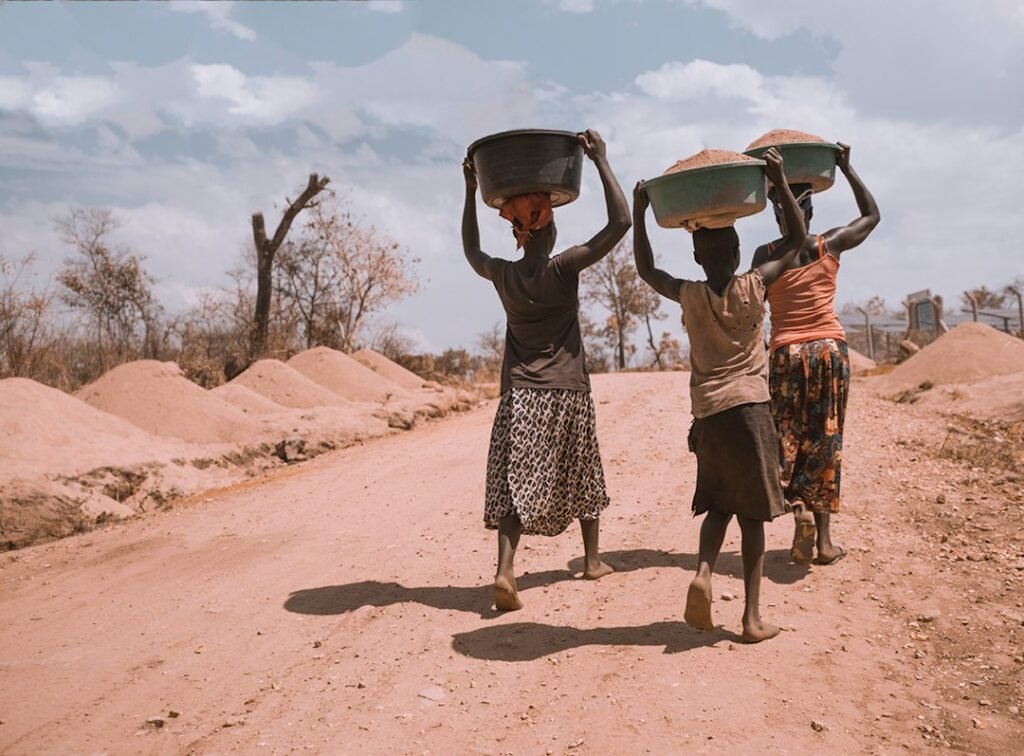
Public fear can discourage people from visiting facilities even for unrelated health problems. Clear communication about referral arrangements helps protect both healthcare teams and the public. The October 17 case update linked the reported infections to the initial patient, according to Reuters. Photo: archival healthcare-screening image, not a photograph of infected staff.
Read the case count with its reporting date
The seven-case figure above belongs to October 17. WHO’s October 23 notice subsequently recorded nine cases as of October 20. This historical union story should not be used as a live national tally.
Later update, November 3, 2026: The Ministry of Health reported nine confirmed cases, two deaths, five patient recoveries and 46 contacts completing their monitoring period. Read Daily Report’s November 3 update and its source documents. The figures in the original report above remain historical.
