
Doctors’ Union Calls for Better Protection of Health Workers During Ebola Response
NAIROBI, October 18, 2026 — The confirmation of Ebola infection among three Kenyan healthcare workers has put renewed scrutiny on the protective measures available to staff responding to the Bundibugyo-virus outbreak.
The three employees were among four additional infections reported on October 17, bringing the national case count to seven. All four new patients were reportedly already quarantined, indicating they had been identified as contacts before their diagnoses.
How health facilities can reduce exposure
Protecting staff depends on more than distributing protective gowns. Hospitals need systems for early identification of suspected cases, careful patient isolation, adequately stocked equipment and supervised routines for putting on and removing protective clothing. Procedures for safely handling contaminated material and monitoring staff after an exposure are also important.
Why early symptoms are challenging
Fever and weakness can occur in many illnesses, making travel history, exposure assessment and laboratory testing especially important. Clinical workers should not be blamed simply because they were exposed while performing their duties. The appropriate questions are whether they were trained, properly equipped and supported after an exposure.
Patients still need routine care
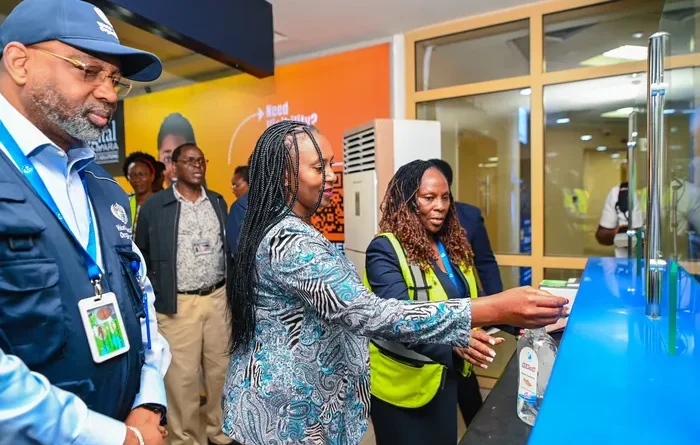
Public fear can discourage people from visiting facilities even for unrelated health problems. Clear communication about referral arrangements helps protect both healthcare teams and the public. Kenya’s confirmed cases remain linked to the initial patient, according to the latest official figures reported by Reuters. Photo: archival healthcare-screening image, not a photograph of infected staff.
