
Kenya Outlines Water Infrastructure Plans for Arid and Semi-Arid Counties
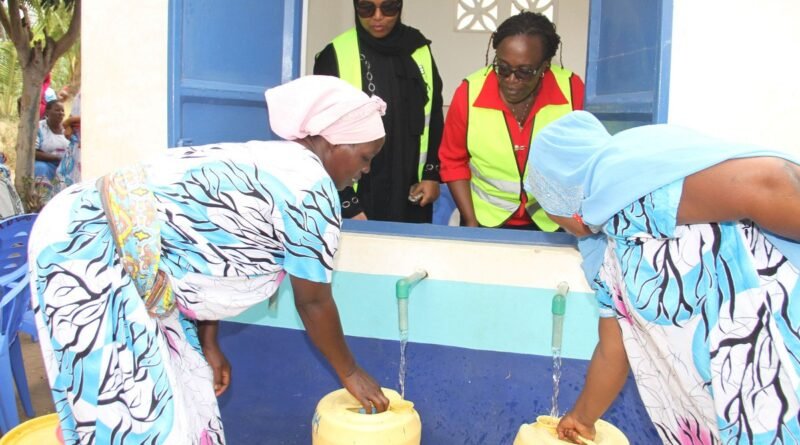
Featured image: Archive photograph of a community water collection point in Mombasa. It illustrates water access in Kenya and does not depict a project announced for arid and semi-arid counties.
NAIROBI, 13 October 2026 — Kenya has outlined plans to expand water infrastructure and irrigation in arid and semi-arid areas, according to Kenya News Agency coverage dated 12 October.
What has been reported
The development was covered in recent Kenyan reporting under the headline “Kenya unveils ambitious water infrastructure plan to transform ASAL agriculture”. This report explains the significance of that information while separating confirmed announcements from questions that remain open.
Why it matters
Reliable water supply can help communities manage dry seasons and reduce dependence on rainfall, but infrastructure needs maintenance, transparent allocation rules and attention to the competing needs of households, livestock and farms.
Water projects need reliable sources
Irrigation and water-supply infrastructure can reduce exposure to dry spells, but they also depend on the sustainable availability of water. Project design should account for seasonal flow, competing uses, maintenance and environmental effects. Infrastructure that cannot be maintained may offer little lasting benefit.
How communities can assess delivery
Residents can ask for the specific project location, budget, implementing agency, completion timetable and expected beneficiaries. Once facilities open, service reliability and affordability are more useful indicators than the number of launch ceremonies. Public updates should distinguish feasibility studies, funded contracts, construction and actual access to water.
What readers should watch next
Projects should be evaluated against water availability, environmental safeguards, costs and the number of residents who actually gain dependable service. Announced plans should not be described as completed projects.
For communities, businesses and public agencies, the next important step is a verifiable update: official documents, implementation milestones or a published outcome. An announcement by itself does not establish that the intended results have been delivered.
Daily Report KE will distinguish further confirmed developments from preliminary statements as additional evidence becomes available. Readers should consult the relevant public authority for operational instructions rather than rely on unverified social-media claims.
Original reporting: Read the specific source report. Daily Report KE provides additional reader-focused context and analysis.
