
KEFRI Promotes Commercial Sandalwood and Mpingo Farming in Kenya
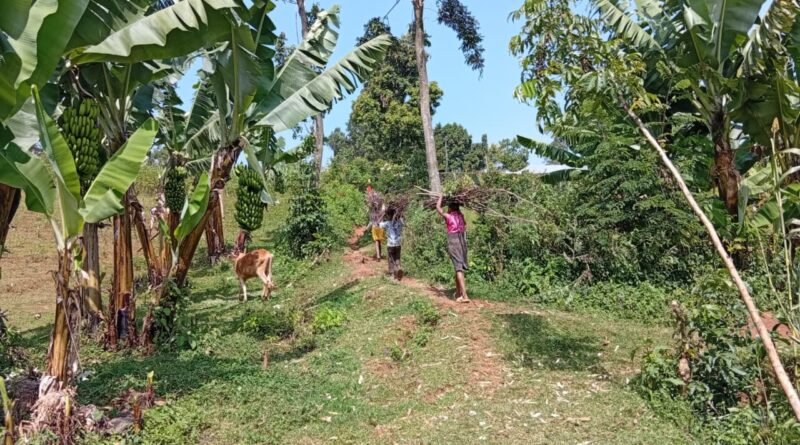
Featured image: Archive photograph of Kenyan agriculture in Migori County, June 2026. Queen Asali / Wikimedia Commons, CC BY-SA 4.0. Not KEFRI sandalwood or mpingo cultivation.
NAIROBI, 13 October 2026 — The Kenya Forestry Research Institute is promoting interest in commercial cultivation of sandalwood and mpingo, KBC reported on 12 October.
What has been reported
The development was covered in recent Kenyan reporting under the headline “KEFRI keen to promote commercial sandalwood, mpingo farming”. This report explains the significance of that information while separating confirmed announcements from questions that remain open.
Why it matters
Both species are valued for specialised timber or aromatic products, but growing trees for commercial sale requires patience, suitable planting conditions and careful assessment of demand. Farmers should not assume that a high market price translates directly into reliable returns.
Growing trees is a long-term decision
Commercial forestry differs from seasonal crop production because trees can require years of care before harvesting. Survival rates, water availability, pests, planting density and access to markets affect the eventual return. A farmer should seek site-specific advice rather than assume that a valuable wood species will thrive in every county.
Legal and market safeguards
Some high-value tree species are subject to conservation and trade controls. Growers should verify the legal status of planting material, harvesting and transport with the relevant authorities. They should also ask how buyers assess quality and whether a credible purchase arrangement exists. These safeguards help avoid schemes that promise unusually high returns without explaining costs or risk.
What readers should watch next
Prospective growers need advice on seedlings, land suitability, harvest periods and legal controls governing protected or regulated species. Independent extension guidance and a credible buyer are more useful than speculative income projections.
For communities, businesses and public agencies, the next important step is a verifiable update: official documents, implementation milestones or a published outcome. An announcement by itself does not establish that the intended results have been delivered.
Daily Report KE will distinguish further confirmed developments from preliminary statements as additional evidence becomes available. Readers should consult the relevant public authority for operational instructions rather than rely on unverified social-media claims.
Original reporting: Read the specific source report. Daily Report KE provides additional reader-focused context and analysis.
