
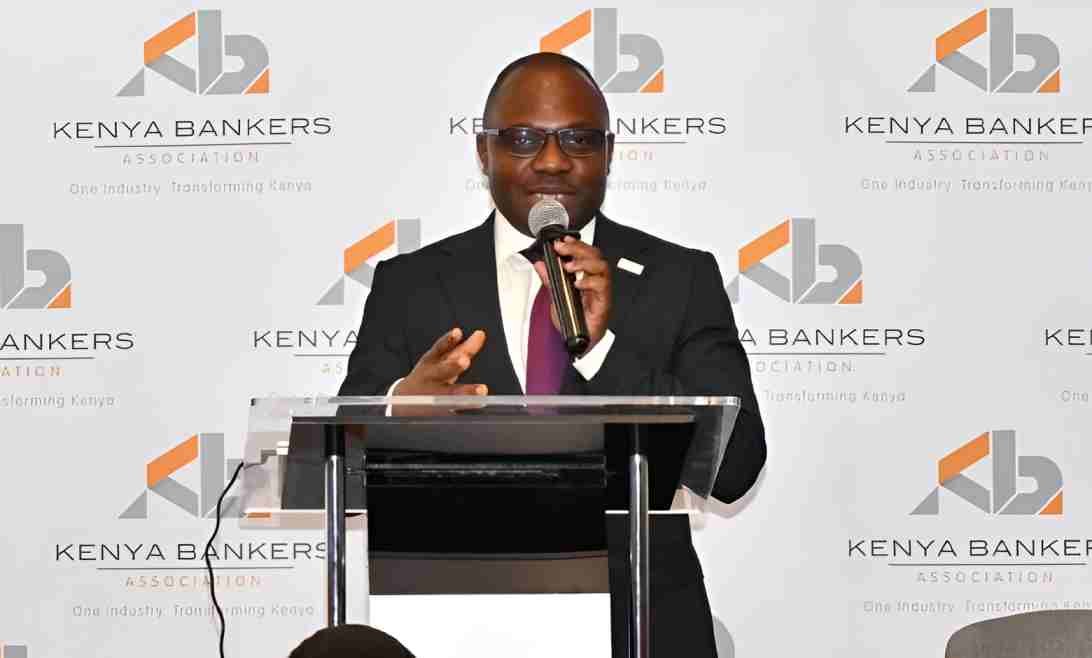
Kenya Bankers Back PAYE Exemption, Push Wider Income Tax Cuts
By Faith Jepkirui | Updated October 1, 2026
The Kenya Bankers Association proposed a broad restructuring of PAYE tax bands for the 2026/27 fiscal cycle, arguing that lower salary taxation could improve household purchasing power and stimulate consumption and investment.
What KBA proposed
KBA’s submission to the National Treasury proposed exempting monthly income below KSh30,000 from PAYE and applying progressively higher rates above that threshold, with a maximum rate of 30%.
The proposal included a 15% rate for income between KSh30,001 and KSh50,000, 20% for KSh50,001 to KSh100,000, 25% for KSh100,001 to KSh400,000 and 30% above KSh400,000.
Why bankers argued for lower PAYE
The association said higher statutory deductions and inflation had reduced workers’ real purchasing power. Its argument was that leaving more money in workers’ take-home pay could support consumption, savings, loan repayment and small-business activity.
Government proposals are separate from KBA recommendations
Political and Treasury statements in early 2026 also discussed tax relief for lower-income workers, but KBA’s submission was an industry proposal, not the law itself. Final PAYE changes depend on legislation passed by Parliament and assented to through the normal tax-law process.
What employees should check
Workers should rely on the final enacted tax schedules and KRA guidance rather than proposed bands circulating in news reports. A proposal can be amended, delayed or rejected during the budget and legislative process.
What a lower PAYE rate would change
If enacted, lower PAYE rates would increase net salary for affected workers. The exact gain would depend on taxable income, personal relief and other deductions, so employees should not calculate take-home pay from headline percentages alone.
There is also a revenue trade-off
Reducing income-tax rates can leave households with more disposable income, but it can also lower direct tax collections unless the government recovers the difference through stronger growth, broader compliance or other revenue measures. That trade-off is one reason tax proposals are debated during the budget process.
