

House Hunting in Nairobi 2026: Complete Guide to Finding a Home, Avoiding Scams and Choosing the Right Area
Ask anyone looking for a house in Nairobi this year, and you will hear a familiar complaint: “I have the budget ready, but I simply cannot find the right house.”
It sounds like a paradox in a city facing a housing deficit exceeding two million units. Logic suggests landlords and property managers should be competing for qualified tenants. Instead, in desirable residential pockets across the metropolitan area, well-priced and well-maintained properties are snapped up within hours of becoming vacant, leaving qualified renters scrolling through stale online listings, calling unhelpful agents, or driving through estates hoping to spot a fresh “TO LET” sign before someone else does.
In Nairobi’s 2026 rental market, liquidity alone does not guarantee a home. The real edge comes from access to real-time, verified information.
The State of Nairobi’s Rental Market in 2026
Nairobi’s real estate ecosystem is far from uniform. Demand dynamics, price stability, and infrastructure vary drastically depending on whether you are looking within central suburbs or expanding your search to satellite towns.
According to Q2 2026 HassConsult Property Index reports:
- Suburban Resilience: Residential rental prices in established suburbs grew by 1.4% quarter-on-quarter, led by sharp demand increases in zones like Runda and Ridgeways. Average suburban property yields remain steady at 7.4%.
- Satellite Town Shifts: Rents in satellite towns expanded by 1.1%, even as property sale prices in areas like Ongata Rongai and Ngong experienced minor contractions.
- Developer Strategy: Developers, cautious of construction costs and long-term planning cycles, are focusing on finishing existing developments rather than launching massive new ground-breaking projects.
+-----------------------------------------------------------------------+
|                       NAIROBI RENTAL DYNAMICS                          |
|                                                                       |
|   ESTABLISHED SUBURBS                  SATELLITE TOWNS                |
|   (Kilimani, Kileleshwa, Runda)        (Ruiru, Juja, Kitengela, Ngong)|
|   • High demand & fast turnover        • Lower price per sq. meter    |
|   • Stubbornly high rental prices      • Space vs. commute trade-off  |
|   • Yields stable (~7.4%)              • Infrastructure variations     |
+-----------------------------------------------------------------------+
Instead of simply asking “How much can I afford?”, smart house hunters evaluate: “Where can my monthly budget secure the optimal mix of security, transit accessibility, utility reliability, and living space?”
Why Finding a Vacant House in Nairobi Is So Difficult
1. No Centralized Multiple Listing Service (MLS)
Unlike international markets with unified property databases, Nairobi’s rental market is fragmented. Vacancies are scattered across caretaker contact lists, informal WhatsApp groups, estate agent notebooks, offline physical banners, and digital platforms. A prime unit can sit unadvertised online simply because the caretaker filled it via word-of-mouth before posting it anywhere public.
2. High Turnover on Prime Units
When a listing delivers on all four critical pillars Location + Fair Rent + Good Physical Condition + Reliable Water/Security it stays on the market for mere hours.
3. Agent Friction and Dual-Fee Practices
While reputable real estate agents streamline the search, unvetted middle-market brokers can create friction. It is common for opportunistic brokers to demand viewing fees (KES 1,000–3,000) or charge commissions to both landlord and tenant for the same unit.
4. Fraudulent and Recycled Listings
Online portals and social media groups frequently host outdated or stolen photographs. Scammers post attractive apartments in Westlands or Kilimani at below-market rates to harvest upfront “booking fees” or “viewing charges” from urgent house hunters.
5. High-Pressure Scarcity Tactics
“Someone else is bringing a deposit in 30 minutes.” This phrase is a common pressure tactic designed to force quick decisions, encouraging renters to skip basic due diligence like testing water pressure, verifying drainage, or reviewing lease terms.
6. The Location vs. Space Trade-off
Searching for a multi-bedroom apartment in prime suburban corridors (Kilimani, Kileleshwa) often reveals a tight supply under KES 70,000. Conversely, satellite towns (Ruiru, Juja, Kitengela) offer larger floor plans at that price point, but introduce commuting overheads and traffic bottlenecks along major highways.
Comparing Key Nairobi Neighborhoods
| Neighborhood | Profile & Target Tenant | Typical Rent (2-Bed) | Key Considerations |
|---|---|---|---|
| Kilimani | Expatriates, young professionals, high-density apartment living. | KSh 65,000 – KSh 110,000+ | High convenience; watch for traffic bottlenecks and water rationing. |
| Kileleshwa | Families and professionals seeking quiet residential streets. | KSh 50,000 – KSh 90,000+ | Predominantly modern apartment blocks; good proximity to CBD/Westlands. |
| Lavington | Established households, diplomats, spacious compounds. | KSh 80,000 – KSh 150,000+ | Excellent access to international schools and shopping hubs. |
| Runda / Ridgeways | High-income households, diplomatic corps, low-density villas. | KSh 150,000 – KSh 350,000+ | High security; strict zoning; requires personal vehicle transport. |
| Ruiru / Juja | Students, young families, commuters along the Thika Superhighway corridor. | KSh 25,000 – KSh 45,000 | Excellent value per square meter; factor in peak-hour highway commute times. |
| Kitengela / Ngong | Renters seeking spacious homes or townhouses at lower rates. | KSh 20,000 – KSh 40,000 | Softening price points; check localized water supply and road access. |
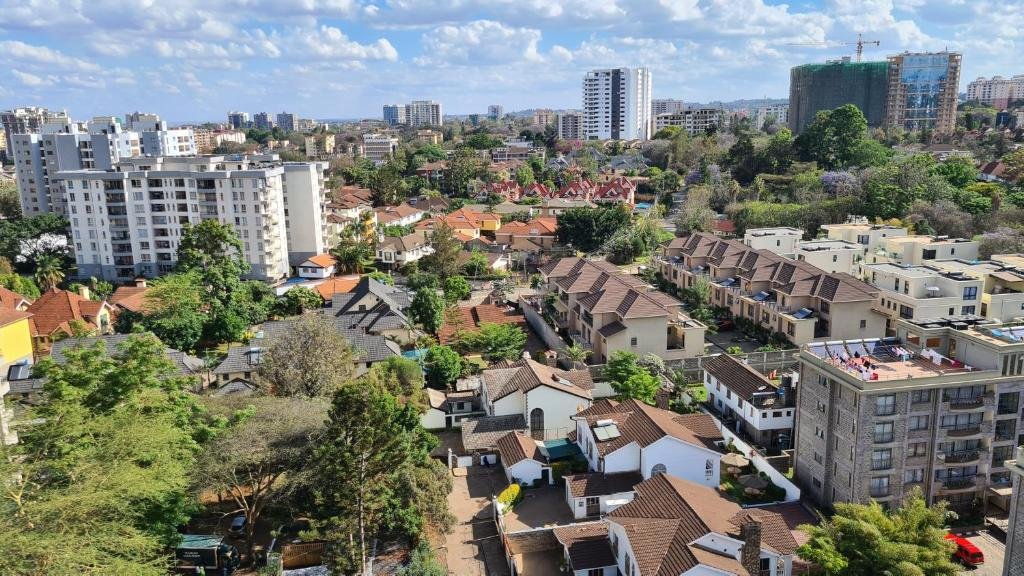
10-Step Operational House Hunting Strategy
- Calculate Total Moving Capital: Do not budget for rent alone. Ensure you have funds for: 1st month rent + security deposit (typically 1–2 months) + service charges + utility deposits (water/electricity meters) + moving logistics + agency fees (if applicable).
- Select 3 Target Neighborhoods: Primary + Backup options. Narrow your scope to one primary suburb (e.g., Kileleshwa) and two adjacent alternatives (e.g., Kilimani, Lavington fringes) to maintain focus without overextending geographically.
- Deploy Multi-Channel Search Strategy: Combine digital and ground-level tactics. Cross-reference vetted online property portals while activating offline networks (friends, colleagues, and professional realtors).
- Engage On-Site Caretakers Directly: The most reliable source for unlisted units. Visit your preferred residential compounds in person and speak directly with the caretakers (wakingaji) or estate security officers (askaris).
- Pre-Screen Agents Before Viewing: Filter out unregistered operators. Confirm upfront whether viewing fees apply, if fees are deductible from rent, and whether the agent represents the property owner directly.
- Conduct Physical Site Inspections: Never rent based on photos or recorded videos. Inspect the exact unit in person. Test water pressure in bathrooms, verify kitchen plumbing, check electrical sockets, and inspect walls for dampness.
- Audit Infrastructure During Off-Peak Hours: Check wet weather and night security. Revisit the estate after heavy rain to evaluate drainage, and check lighting, noise levels, and security presence during evening hours.
- Verify Ownership and Management Credentials: Confirm authorization to rent. Verify the manager or landlord’s identity. Confirm whether payments go to an official corporate account, registered agent, or verified property management firm.
- Review the Tenancy Agreement Thoroughly: Audit all clauses before signing. Review service charge breakdowns, garbage collection fees, utility metering policies, notice periods, and deposit refund conditions.
- Execute Traceable Payments Only: Maintain a clear paper trail. Pay rent and deposits exclusively through traceable channels (Paybill/Bank transfer to verified property accounts). Keep all digital transaction receipts.
How to Identify and Avoid Rental Scams
Rental fraud thrives when renters make emotional decisions under artificial urgency. Protect your capital by watching for these red flags:
- Unusually Low Prices: A luxury 2-bedroom apartment in Kilimani advertised for KES 30,000 is almost certainly a scam attempt.
- Demand for Pre-Inspection Deposits: Legitimate landlords or estate management companies will never demand a “booking fee” to allow you to view a physical property.
- Refusal to Meet at the Property: Scammers often claim they are “out of town” or “busy” and instruct you to send money via personal mobile lines before sending keys via courier.
- Personal Mobile Money Transfers: Never send rental deposits to personal phone numbers without verifying authority through a physical lease document or official corporate channel.
Frequently Asked Questions
Why is house hunting in Nairobi so difficult?
Rental listings are fragmented across caretakers, agents, property websites, WhatsApp groups, and word-of-mouth networks. The lack of a single centralized database means high-quality units are frequently taken before reaching public portals.
How much money do I need upfront to rent an apartment in Nairobi?
Plan for at least 2.5x to 3x your monthly rent. This covers the first month’s rent, 1 to 2 months’ refundable security deposit, utility deposits (electricity/water meters), moving expenses, and potential agency fees.
Is it cheaper to live in satellite towns like Ruiru, Juja, or Kitengela?
Base monthly rents are significantly lower in satellite towns. However, you must calculate the total cost of living, including daily commuting fuel or matatu fares, highway toll fees, and travel time, to determine if net savings exist.
Should I ever pay a viewing fee to a house agent?
If you choose to use an independent agent, confirm all terms before the search. Professional agents should disclose fees upfront and specify whether viewing charges are deductible from the final commission or deposit upon signing.
Related guide: How to verify land ownership in Kenya using Ardhisasa before you buy property.
