
EACC Seeks International Support to Strengthen Cross-Border Corruption Investigations
NAIROBI, October 18, 2026 — Kenya’s Ethics and Anti-Corruption Commission is seeking closer cooperation with the United Nations Office on Drugs and Crime to improve how complex financial crime cases are investigated across national borders.
EACC chief executive Abdi Mohamud met UNODC executive director Monica Juma in Vienna on October 16. Their discussions covered investigative capacity, forensic technology and cooperation among law-enforcement bodies in Eastern Africa, according to reporting based on an EACC statement.
Why financial investigations cross borders
Money suspected to be linked to corruption can move through foreign accounts, property purchases and companies with ownership structures spanning several countries. Evidence may therefore be held by institutions outside Kenya. Recovering documents and tracing assets often requires formal legal assistance rather than a simple request from one investigator to another.
What stronger cooperation could change
Technical training may improve investigators’ ability to follow electronic transactions and analyse financial records. Mutual legal assistance arrangements can provide lawful methods of seeking evidence held elsewhere. Neither step guarantees a prosecution or the return of money, but both may help address cases that domestic agencies cannot investigate alone.
What the public should measure
Public accountability depends on transparent reporting about cases pursued, court outcomes and assets actually recovered, not just high-level meetings. It is also important to preserve legal protections for suspects and third parties. Reporting on the Vienna meeting provides the basis for the announcement. Event photograph not yet available with confirmed reuse rights.
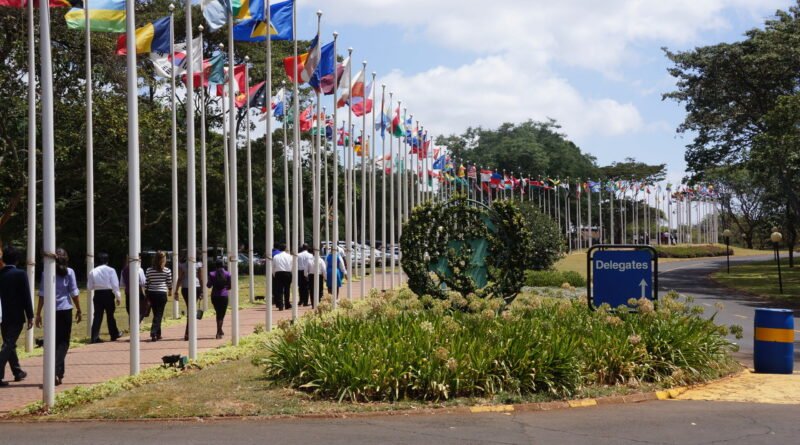
Image note: The image shows the United Nations office complex in Nairobi as an archival location illustration. It does not show an EACC–UNODC meeting. Original image information.
