
Kenya Confirms Second Ebola Case as Health Ministry Continues Contact Tracing
NAIROBI, October 14, 2026 — Kenya has confirmed a second Ebola infection, with health authorities saying the latest patient is a 39-year-old relative of the country’s first confirmed case and was already under quarantine when symptoms developed.
According to a Ministry of Health statement reported by KBC and Reuters on Wednesday, the man developed fever, fatigue and joint pains on October 13. He was isolated and tested, with the National Virology Reference Laboratory and the KEMRI-CDC laboratory returning positive results.
The patient has been transferred to a designated treatment centre for supportive care. The ministry says the two confirmed cases are epidemiologically linked and that there is currently no evidence of wider community transmission. That assessment reflects information available on October 14 and may change as investigations continue.
What the contact-tracing figures show
The ministry said 128 contacts had been identified in connection with the first case, with 113 traced as of October 13. Of those, 108 were undergoing quarantine and daily monitoring in Kenya, while five were outside the country and relevant authorities had been notified. Teams were still seeking the remaining 15 contacts and assessing potential exposures linked to the second patient.
Kenya has reported two confirmed cases and one death. The first patient died after arriving from the Democratic Republic of Congo, where an Ebola outbreak is ongoing. Health officials have emphasised that prompt identification and isolation of contacts are central to limiting further spread.
What the public should know
Ebola spreads through direct contact with blood or other bodily fluids of someone who is ill with the disease, or through contaminated materials. It is not spread through ordinary airborne transmission. Anyone with relevant exposure and symptoms should contact healthcare services promptly and follow official instructions rather than attempting to travel between facilities without guidance.
The ministry said no restrictions on public gatherings, trade or travel had been introduced. Readers should rely on the Ministry of Health and other authorised public-health agencies for subsequent updates, and avoid sharing unverified claims about patients or their families.
Sources: KBC, October 14; Reuters, October 14. This article is based on attributed reporting and does not claim independent access to medical records.
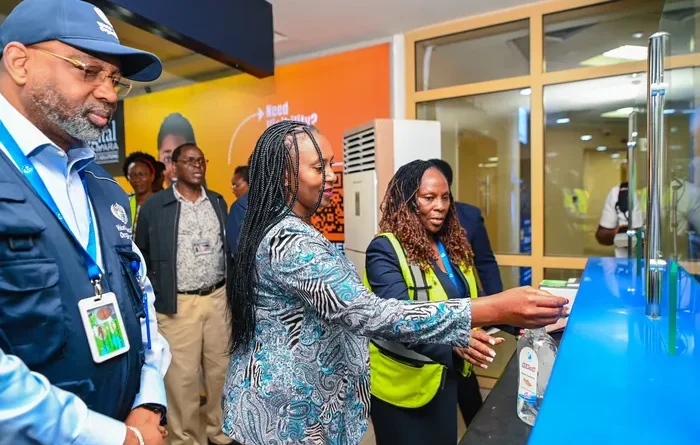
Image note: archival public-health screening photograph from an earlier Kenyan health alert. It does not show the October 2026 Ebola case or any identifiable patient.
