
Tea Factories Kapkoros, Chebut, Litein and Mogogosiek Face Scrutiny Over Farmer Earnings
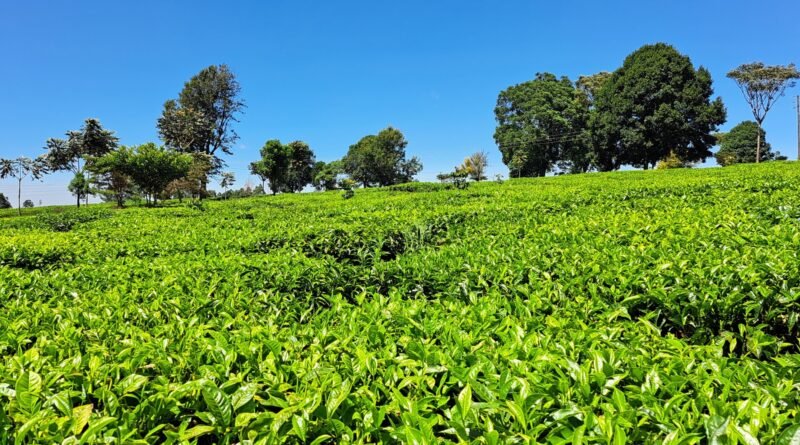
Featured image: Archive photograph of a Kenyan tea farm, 2025. SeanTwice / Wikimedia Commons, CC0. It does not show any of the four factories under review.
Daily Report KE | 14 October 2026. Agriculture ministry officials summoned representatives of Kapkoros, Chebut, Litein and Mogogosiek factories following complaints about poor returns to tea growers. The ministry reportedly agreed on corrective measures for each factory, including cutting operating costs and improving accountability.
Why this matters
Factory performance influences how much of the value of processed tea eventually reaches growers. Energy costs, quality, market demand, processing efficiency and administration can all affect returns. Low earnings are a reason to investigate, but do not independently prove corruption.
What remains uncertain
The ministry also asked for the SETET project supporting Litein to be accelerated. According to its statement, further intervention could follow if targets are missed, while prosecution would depend on evidence of offences. Those are conditional measures, not established criminal findings.
What readers should watch
Growers should seek factory-level financial statements, clear explanations of deductions and dated progress reports on corrective actions. Public reporting should compare actual payments and audited operating costs over equivalent periods rather than rely on promises alone.
How tea growers can judge factory performance
Farmers should distinguish the price of green leaf, any initial monthly payment and later distribution of earnings, because each can reflect different parts of the factory’s financial cycle. A meaningful comparison requires the same period, the same units and transparent deductions. Factory directors should explain whether problems arise from energy, transport, staffing, maintenance, sales or debt servicing. Without that breakdown, a general promise to improve efficiency gives growers little basis for accountability.
What an effective corrective plan should contain
The most useful public update would name each factory’s agreed actions, responsible officers, deadlines and measurable targets. Progress should be reported to growers through recognised governance channels. Any claim of mismanagement must be supported by evidence and examined through appropriate procedures. Farmer representation in oversight is particularly important because delayed or unpredictable returns affect school fees, household budgets and farm reinvestment.
Context and accountability
The development raises practical questions about implementation, public access to information and the difference between an announcement and a measurable result. A useful follow-up will require official documents or first-hand evidence, including any relevant schedules, budgets, implementation records and outcomes. Readers should avoid treating preliminary figures, accusations, proposals or forecasts as final findings. Updates will be needed when the responsible institution releases further information.
Reporting source: KBC Digital. Daily Report KE has independently prepared this contextual explainer based on the attributed report, without claiming to have witnessed the event.
