
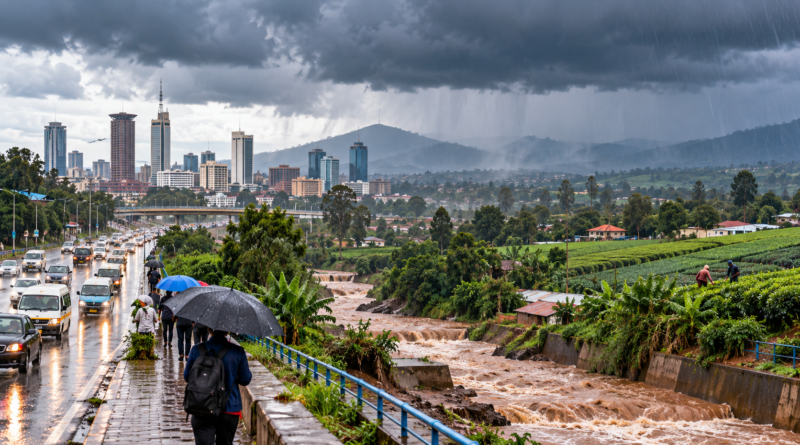
Kenya October 2026 Rains: What the Forecast Means for Farmers, Drivers and Households
Kenya is moving deeper into the October–December rainfall season, making the next several weeks important for farmers, motorists, households and county disaster-response teams. The Kenya Meteorological Department has published its October 2026 monthly outlook and continues to issue daily forecasts as rainfall develops across different parts of the country.
October is normally an important transition month because the short-rains season begins at different times across the country. Rainfall can support crop establishment, pasture regeneration and water supply, but heavy or poorly distributed rain can also cause flooding, road disruption, erosion and damage to homes or farms.
Why monthly forecasts should not be treated as a daily prediction
A monthly outlook describes the broader expected weather pattern for a region. It does not mean that every location will receive rain every day or that all counties will experience the same conditions.
For day-to-day decisions, residents should combine the monthly outlook with the Kenya Meteorological Department’s daily and five-day forecasts. This is especially important for travel, planting, harvesting, construction and outdoor events.
What farmers should watch as the rains begin
The start of the rainy season can create pressure to plant quickly, but farmers should avoid making decisions based on one isolated shower. A short burst of rain can be followed by several dry days, which can affect seed germination.
Useful factors to consider include soil moisture, expected rainfall over the following days, crop type and advice from county agriculture officers. Farmers in areas prone to waterlogging should also prepare drainage channels before prolonged rain sets in.
Practical steps for farms
- Clear drainage channels and waterways before heavy rainfall.
- Store fertiliser, seed and harvested produce away from leaking roofs or flood-prone floors.
- Use erosion-control measures on sloping land.
- Check livestock shelters and ensure animals have access to dry ground.
- Follow county-specific agricultural advice on planting dates and crop varieties.
Road safety during heavy rainfall
Rain can reduce tyre grip and visibility within minutes. Even moderate rainfall can create dangerous driving conditions where roads have worn surfaces, blocked drains or standing water.
Motorists should reduce speed, leave a longer distance between vehicles and use headlights when visibility falls. Drivers should also be cautious around bridges, low-lying sections and roads crossing seasonal rivers.
A flooded road can hide potholes, washed-away shoulders or damaged culverts. If the depth and condition of the crossing cannot be established safely, turning back is safer than attempting to drive through.
Flood risks in towns and informal settlements
Urban flooding can occur even when rainfall is relatively brief if drainage systems are blocked or overwhelmed. Nairobi and other fast-growing towns are particularly vulnerable in places where drainage channels have been narrowed, filled with waste or built over.
Households in areas with a history of flooding should move important documents, medicines and electrical equipment away from low floors before intense rainfall. Residents should also avoid dumping waste into drainage channels because blocked drains can worsen local flooding.
Children and floodwater
Fast-moving water presents a major danger to children. Open drains, swollen rivers, quarries and seasonal streams can become hazardous quickly after heavy rainfall.
Parents and guardians should discourage children from swimming or playing in floodwater. Floodwater can also contain sewage, sharp objects and other contaminants, creating health risks even where the water appears shallow.
What households can prepare before severe weather
- Keep emergency contacts available.
- Charge phones and power banks when severe weather is forecast.
- Store drinking water safely.
- Protect identification documents, certificates and other records in waterproof containers.
- Know the safest route away from a flood-prone home or business.
- Avoid sheltering under isolated trees during thunderstorms.
Why farmers should also monitor temperatures
Rainfall is only one part of the seasonal outlook. Temperature affects crop development, livestock stress, evaporation and water demand. Higher daytime temperatures can dry soils quickly between showers, while cooler and wetter conditions can increase the risk of some crop diseases.
Farmers should therefore consider both rainfall and temperature information when planning crop protection, irrigation and livestock management.
Businesses and construction sites
Heavy rain can disrupt deliveries, building works and outdoor markets. Construction managers should secure loose materials, inspect drainage and avoid leaving open excavations unprotected in areas where stormwater can collect.
Small businesses in flood-prone trading centres can reduce losses by raising stock off the floor and ensuring electrical connections are protected from water.
How to identify trustworthy weather information
Weather misinformation often spreads through forwarded messages claiming extreme rainfall or storms without a date, location or official source. Before changing travel or farming plans, check whether an alert comes directly from the Kenya Meteorological Department or another recognised government emergency agency.
A legitimate warning should normally identify the affected areas, the expected time period and the type of weather hazard.
Do not assume all of Kenya will experience the same conditions
Kenya’s geography produces large differences in rainfall. Highlands, coastal areas, the Lake Victoria basin, arid counties and southeastern lowlands can experience very different weather during the same week.
That is why local forecasts are more useful than broad statements that “Kenya will receive heavy rains.” Readers should look for county or regional forecasts whenever possible.
Sources and official updates
- Kenya Meteorological Department: October 2026 Monthly Weather Forecast
- Kenya Meteorological Department: Daily Forecast
Daily Report KE weather guidance: Conditions can change quickly. Always use the most recent official forecast for travel, farming and safety decisions.
