
Low-Income Earners Set for Tax Relief as Treasury Plans PAYE Changes
By Kelvin Kibet | Updated October 1, 2026
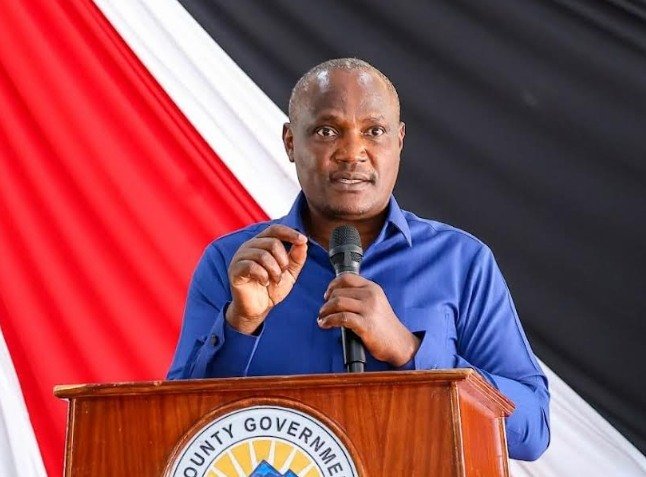
Treasury Cabinet Secretary John Mbadi proposed changes to PAYE in early February 2026 that would reduce or remove income tax for some lower-paid workers, but the measures still required parliamentary approval before taking effect.
What Mbadi proposed
Mbadi said workers earning KSh30,000 or less per month should be exempt from PAYE and that employees earning between KSh30,000 and KSh50,000 should receive a lower tax rate.
The proposal was presented during a public budget engagement in Meru and was described as part of a wider effort to reduce pressure on lower-income households.
A proposal is not the same as a tax change
PAYE rates only change when the relevant tax legislation is passed and brought into force. Employees should therefore not calculate take-home pay from political or Treasury announcements alone.
Why the proposal attracted attention
Lower PAYE would increase net salary for affected workers, but the exact benefit would depend on taxable income, reliefs and other statutory deductions. The proposal also raised the fiscal question of how government would replace any revenue lost through lower income-tax collections.
What workers should check
The safest reference is the final law and subsequent KRA guidance. Budget proposals can be amended during public participation, committee review and parliamentary debate.
How much relief could workers receive?
The exact benefit cannot be calculated from the proposal alone because PAYE depends on taxable income, personal relief and the final bands approved by Parliament. Two workers with similar gross pay can also have different net salaries because of pension, housing, health-insurance and other deductions.
Why the legislative process matters
Tax proposals can change between announcement and enactment. Parliamentary committees may amend thresholds or rates after reviewing revenue implications and public submissions. Until the final law is published, employers should continue using the PAYE rules currently in force.
