Machakos County, Kenya — February 9, 2025
Oil and gas experts have urged Parliament to amend the Production Sharing Agreement (PSA) between the Government of Kenya and Gulf Energy E&P B.V over the Turkana oil project, warning that current cost recovery provisions could delay government revenue and expose the State to inflated operational expenses.
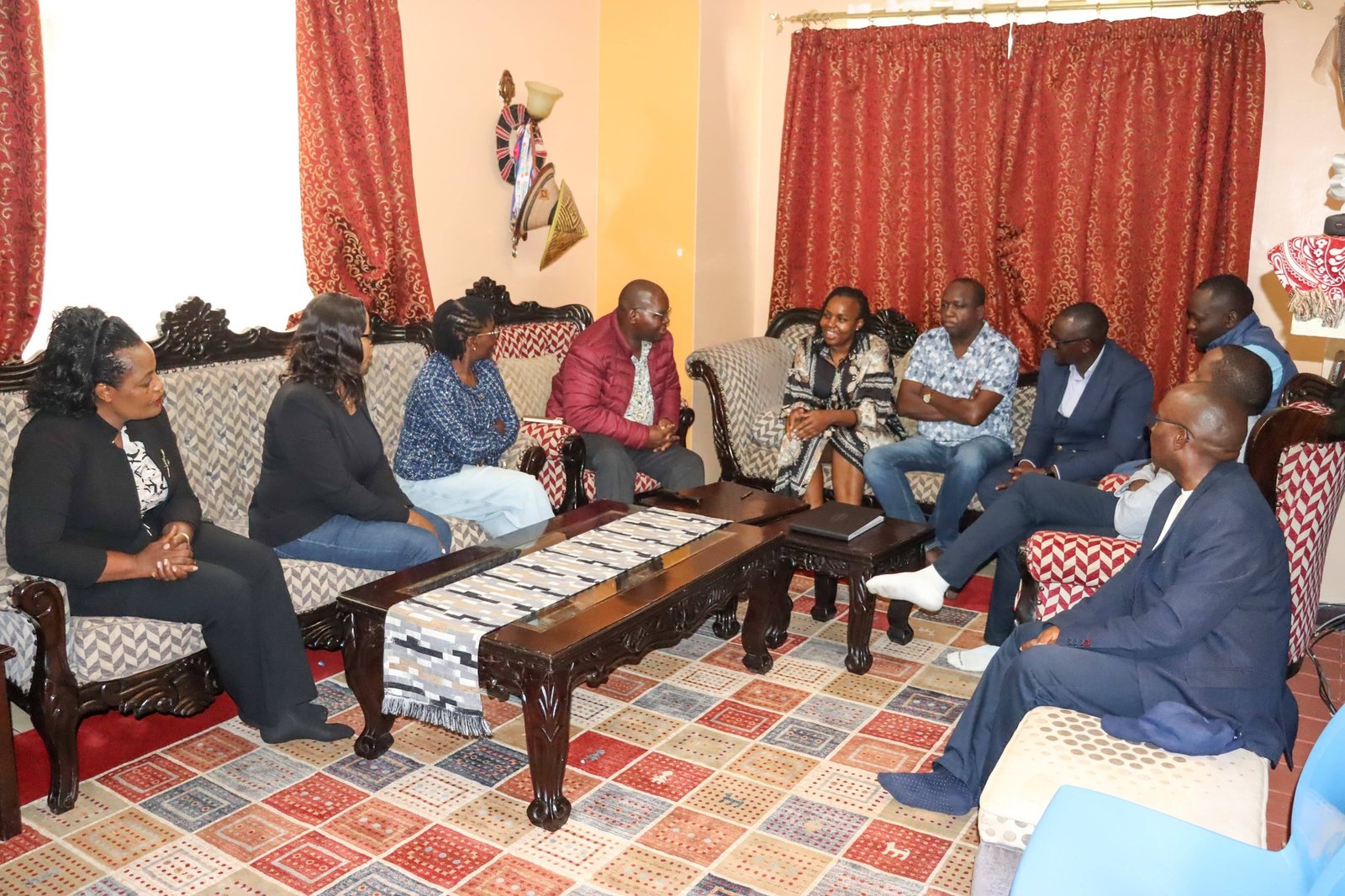
Appearing before the Joint Committees on Energy of the Senate and the National Assembly at Hilton Gardens in Machakos County, the experts called for stricter transparency measures, including independent revenue and cost audits.
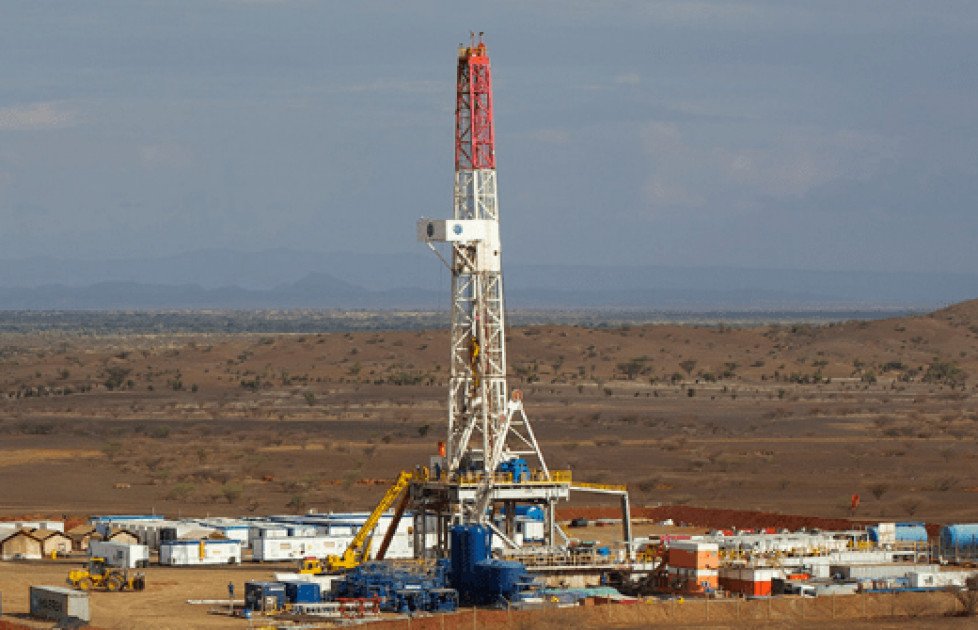
The joint committees are reviewing the Production Sharing Agreement relating to Block 7 (formerly Block 13T), where Gulf Energy E&P B.V (GEBV) seeks to fully develop six key oil discoveries under a two-phase project expected to generate $1.1 billion in government revenue.
Audit Calls and Transparency Concerns
Experts proposed that Parliament require independent quarterly cost audits incorporating representatives from the Office of the Auditor-General and the Kenya Revenue Authority (KRA).
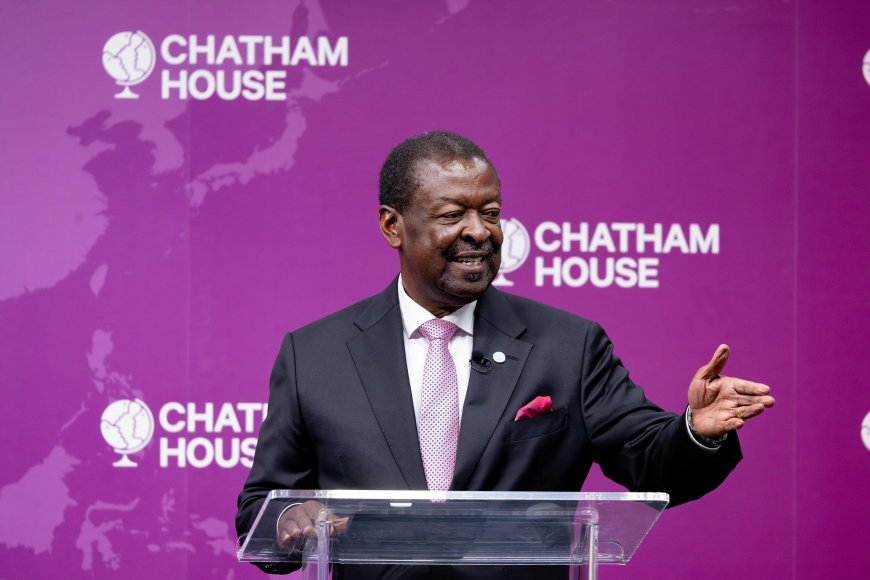
Mark Ekwam, a former board member of Tullow Oil and current consultant with China National Petroleum Corporation, expressed concern over the increase in cost recovery from 55 percent in the original contract to 85 percent under the revised agreement.
“The 85 percent cost recovery is a significant concession. While it may accelerate investment, it delays the realisation of government revenue,” Ekwam told lawmakers.
Under the First Addendum to Clause 27(6) of the Production Sharing Contract, Gulf Energy E&P B.V has been granted exclusive rights to transport crude oil from Turkana to Mombasa and market the petroleum products.
Ekwam emphasized the need for independent monitoring systems to ensure crude extracted from South Lokichar matches volumes exported through the Port of Mombasa.
“We need an independent firm to manage a system that ensures the crude extracted from South Lokichar accurately reflects what is exported,” he said.
He further warned that the expanded definition of capital expenditure — now covering labour, fuel, maintenance, hauling, mobilisation, supplies, materials, exploration, development and decommissioning — could increase the risk of inflated cost claims.
Transport and Operational Risks
The experts also raised operational concerns, particularly over plans to rely on road transport to move crude oil from Lokichar to Mombasa.
Ekwam warned that transporting an estimated 20,000 barrels of oil daily via roughly 600 trucks presents significant logistical, social and environmental risks.
He urged lawmakers to commission an independent feasibility study into rail transport as a potentially safer and more sustainable alternative.
Calls to Strengthen Epra
Fredrick Ejore, Regional Director of Kamit Group Limited for East Africa, proposed that Parliament reconsider the 85 percent cost recovery ceiling and revert it to 55 percent.
“Investors assess whether a project is bankable before committing funds. At 85 percent, they likely based their decision on what they are putting in,” Ejore said.
He recommended strengthening the Energy and Petroleum Regulatory Authority (Epra) to oversee cost efficiency and protect government revenue.
“There is a need to revamp Epra or establish a specialised department within it to act as the government’s eye on this Gulf Energy oil project,” he said.
Ejore added that such a unit should oversee environmental, health and safety standards and ensure compliance throughout the lifecycle of oil operations.
Local Content and Data Oversight
Mark Senteu, Commercial Manager at Vivo Energy Kenya, highlighted the complexity of the petroleum sector and called for clearer mechanisms to track daily oil production and revenue distribution between national and county governments.
“There is a need for clarity on the number of barrels extracted per day and how benefits flow to counties and local communities,” he said.
Experts also urged Parliament to introduce a National Supplier Database to enhance local content participation and ensure transparency in procurement.
However, Chepalungu MP Victor Koech Mandazi questioned whether creating an independent oversight body was necessary, noting that Epra already exists.
“Are you saying Epra is not doing the work it is supposed to do?” Mandazi asked during the session.
Meanwhile, Johnson Kibaki, a petroleum engineering student, suggested integrating renewable energy solutions such as solar power into oil operations to reduce environmental impact.
The Joint Committees are expected to continue scrutinizing the PSA as Parliament weighs potential amendments.