
Kenya Women’s Economic Empowerment Policy: MPs Push for Funding and Implementation
By Shiled Jerono | Updated October 1, 2026
Kenyan MPs are pushing government agencies to move the National Policy on Women’s Economic Empowerment from policy statements to measurable programmes backed by budgets, clear responsibilities and parliamentary oversight.
What MPs raised in September
During a September sensitisation workshop involving the Kenya Women Parliamentary Association and the Institute for Public Finance, legislators said the policy would have limited effect without adequate financing and coordination across ministries, agencies and county governments.
Parliament’s report said MPs wanted stronger oversight so that programmes described as supporting women can be tracked against actual spending and outcomes rather than judged only by policy announcements.
What the policy is intended to address
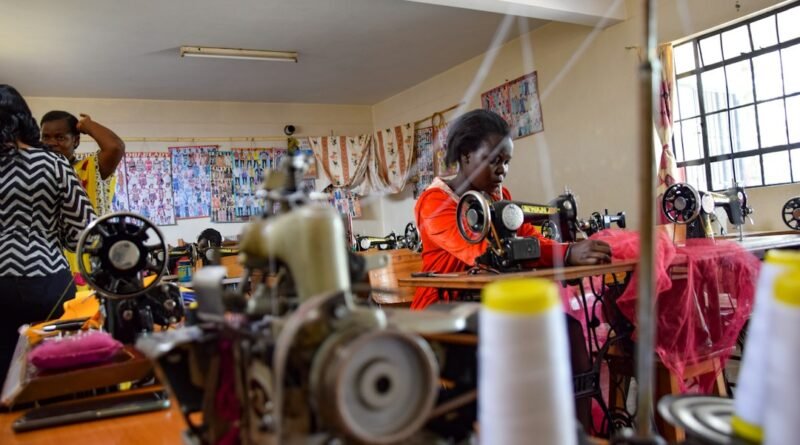
The National Policy on Women’s Economic Empowerment is intended to address barriers that affect women’s participation in the economy, including access to finance, entrepreneurship opportunities, skills development, procurement and formal employment.
Earlier parliamentary discussions in April also focused on structural barriers and the need for the policy to reach women outside formal employment, including small traders, farmers and micro-enterprises.
Budget commitments provide a test
The 2026 Budget Policy Statement includes planned spending on programmes that overlap with the policy’s goals. It refers to financing for women entrepreneurs, affirmative-action groups and measures addressing gender-based violence.
The presence of budget lines does not by itself prove successful implementation. Parliament and the public still need to track whether money is released, who receives support, whether programmes reach intended beneficiaries and what measurable economic outcomes follow.
Why implementation matters
For women running small businesses or seeking formal employment, the practical value of the policy depends on whether it improves access to finance, markets, training and public procurement. Clear eligibility rules and transparent reporting will therefore matter as much as headline allocations.
What to watch next
- Specific budget allocations tied directly to the policy.
- How national and county institutions divide implementation duties.
- Public reporting on beneficiaries and outcomes.
- Parliamentary follow-up on Sessional Paper No. 6 of 2026.
