
Kenya Invites Public Proposals to Name Its Crude Oil: What the Notice Means
NAIROBI, October 29, 2026 — Kenyans have been invited to help shape the name under which the country’s crude oil could be identified, following a public-participation notice issued by the State Department for Petroleum and carried by the Energy and Petroleum Regulatory Authority (EPRA).
The notice, dated October 23, asks residents, communities, institutions, professional bodies and other interested parties to submit proposals and views on naming Kenya’s crude oil. It cites constitutional public-participation provisions and the Petroleum Act.
What has been announced?
The central announcement is a consultation, not the selection of a final name. Authorities have opened an opportunity to receive ideas from the public; the announcement does not establish that a winning proposal has been chosen or that a national branding decision has been completed.
That difference is important. Readers encountering suggested names on social media should not assume that a proposal has already received government approval. The official notice is the appropriate source for the submission process and requirements.
Why give crude oil a name?
Crude grades in international trade are often identified using geographical or commercial names. Such labels can help distinguish the origin and characteristics of a petroleum stream when producers, traders, laboratories and buyers discuss supplies.
A name, however, does not establish quality or market value. Those questions depend on technical measurements, commercial contracts, transport arrangements and demand. It would therefore be premature to suggest that the consultation alone will raise export prices, secure buyers or guarantee oil revenues.
Who can contribute?
The State Department’s invitation extends beyond petroleum companies to communities, institutions and the wider public. This gives stakeholders an opportunity to suggest a label that reflects Kenya’s identity and to explain why their proposal is appropriate.
Residents in oil-producing areas may be especially interested in how the final name represents their communities. The notice does not, by itself, settle broader questions over revenue sharing, environmental safeguards or the future pace of commercial petroleum development.
How to take part safely
Anyone considering a submission should first read the official EPRA public notice, including its linked PDF, to check the submission address, applicable deadline and any formatting instructions. Avoid sending identification documents or money to social-media accounts claiming to collect entries without verification.
Where an agency publishes an official consultation, the published document should take precedence over forwarded messages or promotional graphics. Keep a copy of any submission and its delivery confirmation where available.
What happens next?
The consultation gives the State Department material to consider before any subsequent decision. The public notice does not establish a final choice, so the outcome should be reported separately when authorities publish it.
For now, the verified news is that proposals have been invited. What name Kenya’s crude oil will ultimately carry remains to be determined.
Primary source: EPRA / State Department for Petroleum, public-participation notice, October 23, 2026.
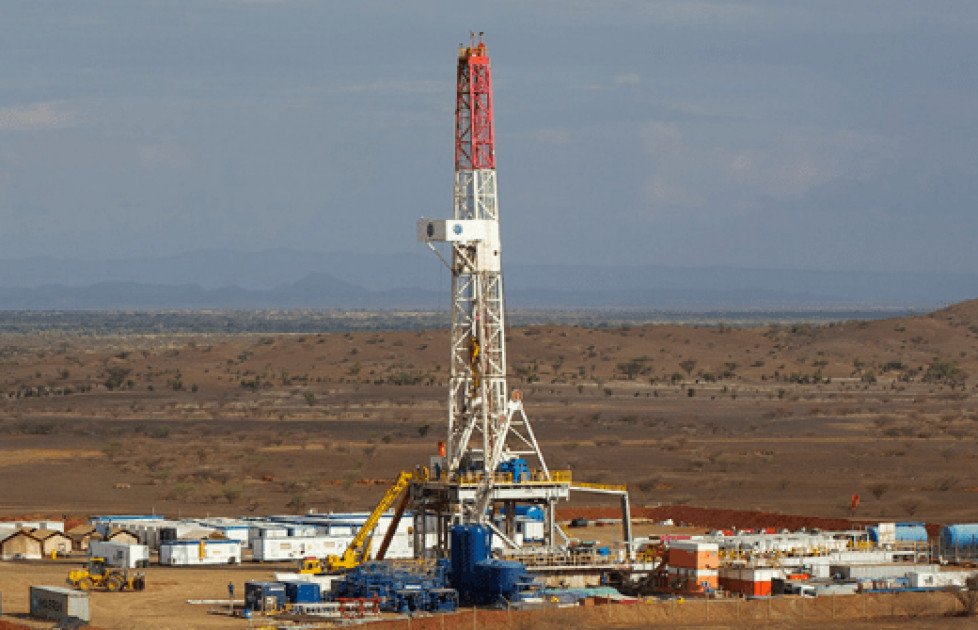
Image: illustrative archive photo, not an image of the naming consultation.
