
Global Climate Panel Meeting Ends Without Agreement on Next Assessment Timetable
ADDIS ABABA, October 18, 2026 — An international meeting of the Intergovernmental Panel on Climate Change ended without agreement on when its next major assessment of climate science should be delivered, exposing divisions about urgency and fairness in the global research process.
The IPCC’s reports are central reference points for governments deciding how to adapt to climate risks and reduce emissions. The disagreement concerns the timetable and the ability of scientists from countries with fewer research resources to participate meaningfully in the process.
Why timing has become contentious
Countries seeking an earlier report argue that climate decisions need up-to-date evidence before major international policy reviews. Others favour a longer schedule, concerned that a compressed process could disadvantage researchers whose institutions have fewer resources and less support for participation. According to Reuters, Kenya was among countries favouring additional time.
What the question means for Africa
Extreme heat, disrupted rainfall, drought and flooding carry serious costs for agriculture, public health and infrastructure. African researchers can provide data on local effects that global models may otherwise overlook. A report produced quickly but without broad participation risks gaps; a report delayed for too long may also be less useful for upcoming decisions.
What happens now
The panel has not abandoned its assessment. Delegates are expected to resume discussions on the timeline and budget. The outcome will test whether the IPCC can combine rigorous global science with equitable opportunities for participation. Reuters’ reporting on the meeting supplies the factual basis. No event-specific photograph with confirmed reuse rights is attached.
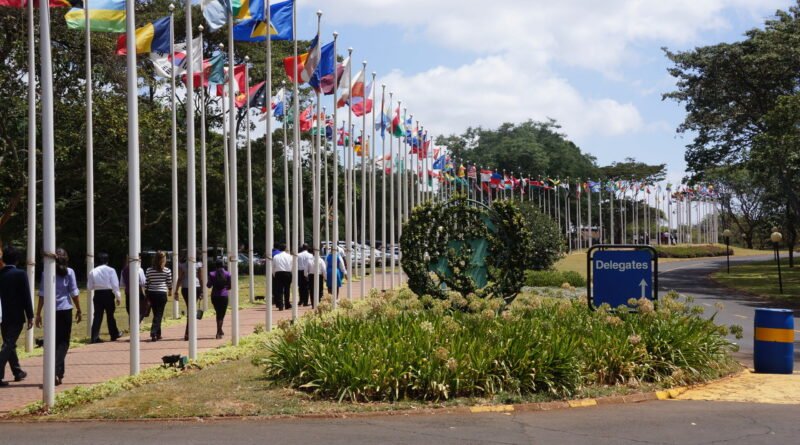
Image note: illustrative archival photograph, not the reported event. Source and licensing: Wikimedia Commons file information.
