Ear, Nose and Throat (ENT) specialists in Nakuru have raised concerns over the growing burden of hearing loss in Kenya, urging the public to embrace routine screening and early diagnosis to prevent long-term complications.
Medical experts estimate that hearing loss affects about 10 percent of Kenya’s population, making it a significant but often overlooked public health issue. Specialists say many ear-related conditions can be effectively treated or managed if detected early.
Dr. Michael Sitima of the ENT Unit at Nakuru County Teaching and Referral Hospital (NCTRH) noted that a large number of ear conditions, including congenital defects and chronic infections, can be prevented or controlled with timely medical intervention.
“To reduce the impact of hearing loss in our communities, we must prioritise early screening and prompt treatment,” Dr. Sitima said.
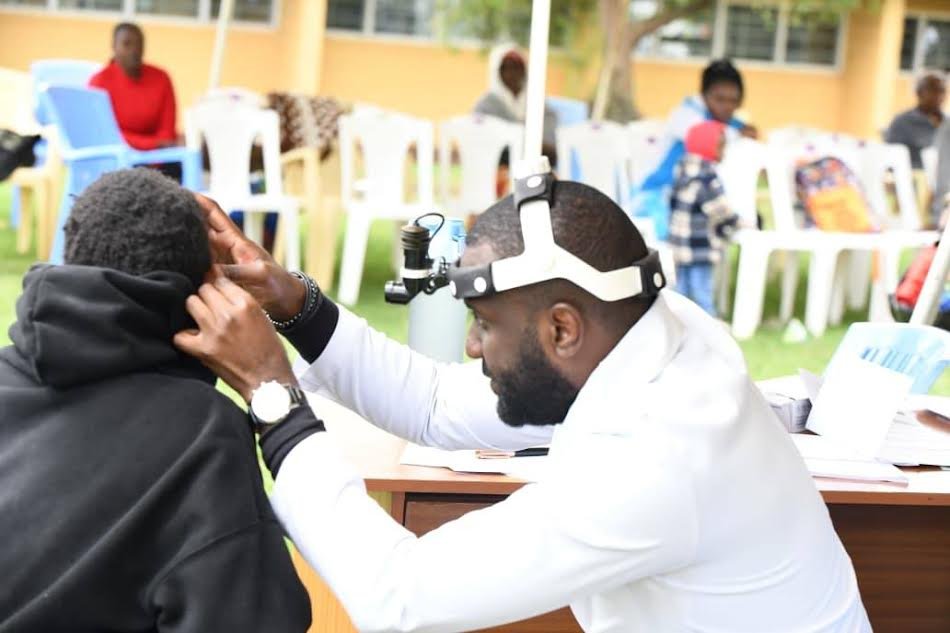
To improve access to specialised care, the hospital will host a four-day ENT medical and surgical camp from March 24 to March 27. The initiative aims to provide treatment for patients with complex ear conditions while raising awareness about ear health.
During this year’s World Hearing Day, the ENT unit at NCTRH attended to approximately 100 patients suffering from various ear-related conditions, highlighting the growing demand for specialised ear care services in the region.
The upcoming medical camp will offer a range of services, including ear examinations, hearing tests, wax removal, speech delay assessments, and treatment for ear discharge and hearing loss.
Global health data shows that 14 in every 1,000 Kenyan children live with moderate or severe hearing loss, a figure nearly ten times higher than that recorded in the United States. Worldwide, an estimated 34 million children are affected by hearing loss.
Health experts classify hearing loss as a hidden disability that often goes unnoticed until it significantly affects communication and learning. In Kenya, the condition ranks as the fourth leading cause of disability.
Doctors say hearing loss among children may arise from several factors, including genetic conditions, premature birth, severe jaundice, infections, and the use of ototoxic drugs. Among adults, common causes include ear infections, prolonged exposure to loud noise, certain medications, meningitis, ageing, diabetes, and hypertension.
Specialists warn that many cases remain undiagnosed due to low public awareness, high treatment costs, and limited access to specialised health services. When untreated, hearing loss can lead to delayed speech development, learning difficulties, social isolation, and stigma, particularly among children.
However, doctors emphasise that with early diagnosis and appropriate treatment,such as medication, surgery, hearing aids, or cochlear implants, many individuals with hearing loss can lead normal, productive lives.
Health professionals are now urging parents, teachers, and healthcare providers to prioritise regular hearing checks, especially for children, to ensure early intervention and improved quality of life.