
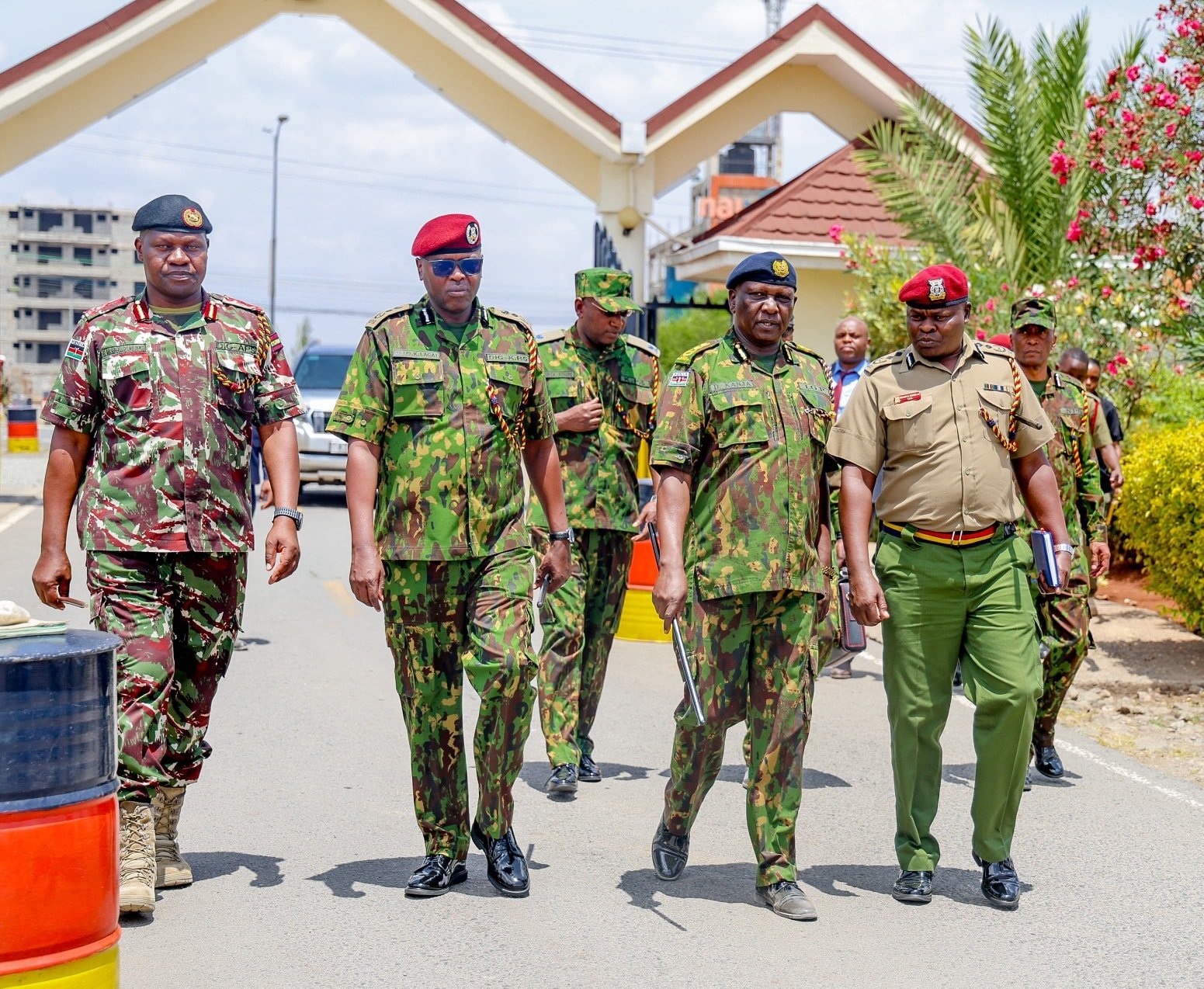
Police Recruit Training at Embakasi: What the 2025-26 Cohort Was Preparing For
By Kelvin Kibet | Updated October 1, 2026
Police recruits who began training in December 2025 at National Police College campuses, including Embakasi A and B, entered service in 2026 after months of basic instruction, discipline training and preparation for operational duties.
What the training was intended to cover
Inspector General Douglas Kanja told recruits at the start of the training cycle that they were expected to learn the law, operational skills, discipline and professional conduct needed for public service.
The cohort formed part of a wider national recruitment exercise involving thousands of recruits across Kiganjo and Embakasi campuses.
Why Embakasi A and B matter
The Embakasi campuses train different components of the National Police Service, including Administration Police and General Service Unit recruits. Training facilities therefore play a direct role in the standards officers carry into later deployment.
The training cycle later culminated in passing-out parades
By September 2026, recruits at Embakasi were completing passing-out activities before moving into active service. At the Administration Police parade, Kanja stressed political neutrality, respect for rights and professionalism as officers prepared for deployment.
Why training quality matters
Recruitment numbers alone do not determine police effectiveness. Training quality, supervision, equipment, discipline and accountability all affect how officers perform after deployment.
Why recruit training is under scrutiny
Police recruits are being prepared for work that involves arrest powers, use of force, public-order management and interaction with vulnerable members of the public. Training quality therefore has direct implications for both operational effectiveness and respect for constitutional rights.
Infrastructure affects training quality
Accommodation, classrooms, equipment and practical training areas influence how effectively a college can prepare large cohorts. Inspecting those facilities is useful, but public accountability also depends on whether identified gaps are later funded and corrected.
