
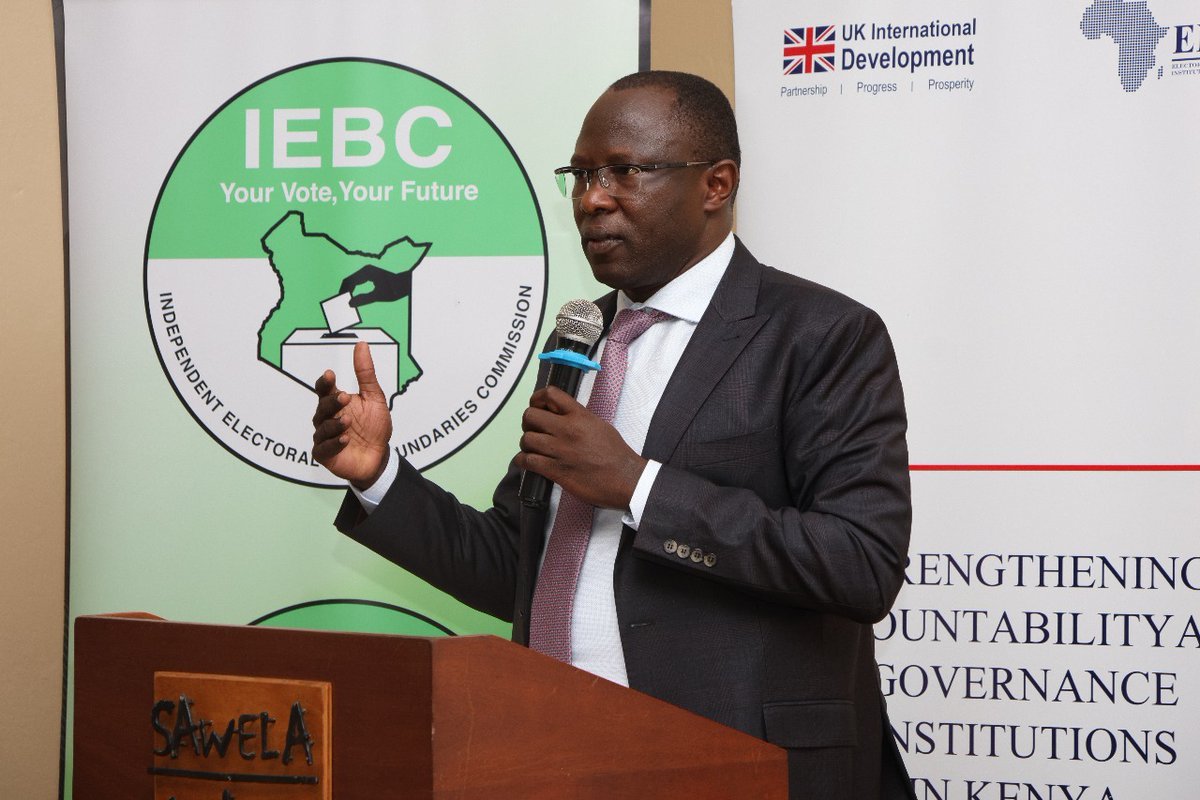
IEBC Defends Voter Register Data Sharing With State Agencies
By Shiled Jerono | Updated October 1, 2026
The Independent Electoral and Boundaries Commission defended its collaboration with the National Registration Bureau and other government agencies in February 2026, saying the arrangements are intended to verify voter identities and maintain an accurate register.
What prompted the response
The Commission responded after political figures raised concerns that data-sharing arrangements could expose the voter register to manipulation. Those concerns were allegations, not established findings of interference.
What IEBC says the collaboration does
IEBC said it works with lawful custodians of identity and civil-registration data to verify national ID and passport details and to support the removal of deceased voters from the register.
The Commission also said it was discussing a secure link to the Integrated Population Registration System so identification details could be validated during registration.
Who controls the voter register?
IEBC Chairperson Erastus Ethekon said the register remains under the Commission’s custody and control and that personal data must be handled under the Constitution, election law and the Data Protection Act.
Why oversight still matters
Identity verification can help prevent duplicate or invalid registrations, but political parties and the public also have a legitimate interest in transparency around data-sharing safeguards, access controls and independent audits. Those are questions that can be examined without assuming manipulation has occurred.
Why identity checks are needed in voter registration
Voter registration depends on confirming that a person is an eligible Kenyan citizen using a valid identity document. Linking verification systems can help detect invalid or mistyped document numbers, but the process must still protect personal data and preserve IEBC’s independent control of the register.
What political parties can legitimately ask for
Parties can seek disclosure of safeguards, audit procedures and legal agreements governing data exchange. Those transparency questions are different from asserting that manipulation has occurred. Evidence would be required to support any claim that the register had actually been altered unlawfully.
