
How to Verify a Money Remittance Company in Kenya Before Sending or Receiving Cash
By Kelvin Kibet | October 1, 2026
Before sending money through an unfamiliar remittance company, take a few minutes to verify whether the provider appears in the Central Bank of Kenya’s official directory.
Why Verification Matters
Money remittance providers handle funds moving into or out of Kenya. Using a licensed provider gives you a regulated entity to deal with and clearer channels for complaints or regulatory follow-up.
How to Check
- Find the company’s full legal name.
- Open CBK’s directory of licensed money remittance providers.
- Compare the name with the official directory.
- Check that you are using the provider’s genuine website, app, branch or verified contact channel.
Common Scam Warning Signs
- A person asks you to send money to a private account instead of the company’s official channel.
- You are pressured to act immediately.
- The company name cannot be matched to the CBK directory.
- You are asked for PINs, passwords or one-time codes.
- Fees or exchange rates are hidden until after payment.
Keep Your Transaction Evidence
Save receipts, reference numbers, screenshots and messages until the recipient confirms receipt. These records can be useful if a transfer is delayed or disputed.
Check More Than the Brand Name
A remittance brand can operate through a legal company name that is different from the name shown in an advert or mobile app. Before paying, compare the provider’s legal name, website and contact details with the information shown in CBK’s directory.
Compare the Total Cost of the Transfer
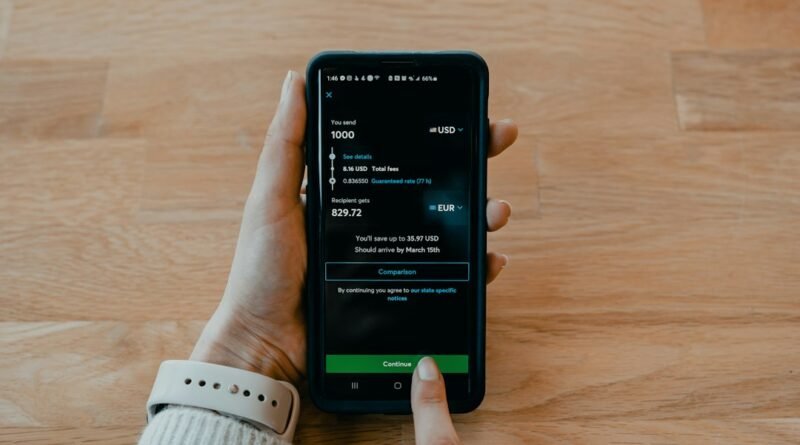
A provider can be licensed and still charge more than another provider. Compare the transfer fee, exchange rate and the amount the recipient will actually receive. A low headline fee can be offset by a less favourable exchange rate.
What to Do If a Transfer Is Delayed
Start with the provider’s official customer-support channel and quote the transaction reference. If the issue is not resolved, keep a record of the complaint, receipts and communication. These records are useful if you later need to escalate the matter to a regulator or another dispute-resolution channel.
Do not send a second payment simply because someone claiming to be an agent says the first transfer is “stuck” and needs an additional fee. Verify any such request through the company’s official contact details.
