
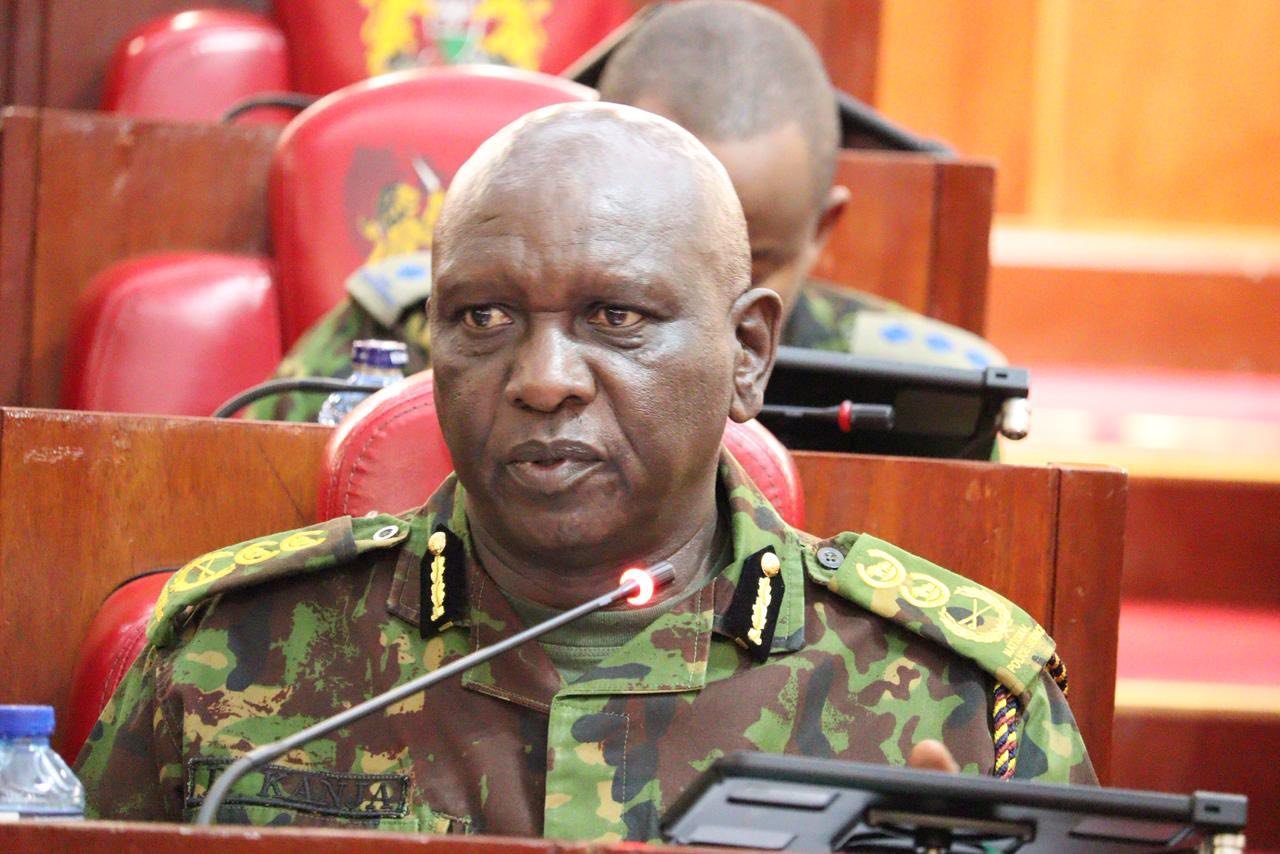
Police Funding Gap: What Parliament Heard About NPS Operations and Oversight
By Shiled Jerono | Updated October 1, 2026
Kenya’s police budget debate in 2026 focused on a practical problem: whether the National Police Service has enough resources to maintain mobility, equipment, training and security operations while remaining accountable to Parliament and civilian oversight bodies.
What the National Police Service told MPs
During budget discussions before the National Assembly’s Administration and Internal Security Committee, Inspector General Douglas Kanja said the Service needed additional resources for vehicles, specialised equipment, training and operational support.
Mobility was a recurring concern. When police vehicles are unavailable or poorly distributed, response times can be affected, particularly in large rural areas and during emergencies. Parliament’s later budget review also identified wider resource constraints affecting police modernisation, security operations and administrative units.
Oversight bodies also reported funding pressure
The Independent Policing Oversight Authority told MPs that budget limitations affected its ability to complete investigations and other oversight work. That matters because additional resources for policing are only one side of the equation; independent investigation of complaints and police conduct also requires adequate funding.
What Parliament later recorded
In its review of the 2026/27 fiscal framework, the Budget and Appropriations Committee recorded concerns about the sustainability of police recruitment targets, delays in forensic processing and the limited reach of community policing. The report said some forensic expert reports were taking up to 14 days against a target of two days, while community policing implementation covered only part of the country’s police stations.
These details show that the budget issue is broader than vehicles or crowd-control equipment. It also affects forensic capacity, investigations, police welfare, recruitment and the ability of stations to work with communities.
What the public should look for
More funding does not automatically produce better policing. The stronger test is whether approved resources are linked to measurable improvements such as shorter response times, faster forensic work, better-equipped stations and clearer public reporting on procurement and spending.
Parliament’s role is therefore twofold: deciding what level of funding is justified and checking whether the money produces the results promised by security agencies.
