
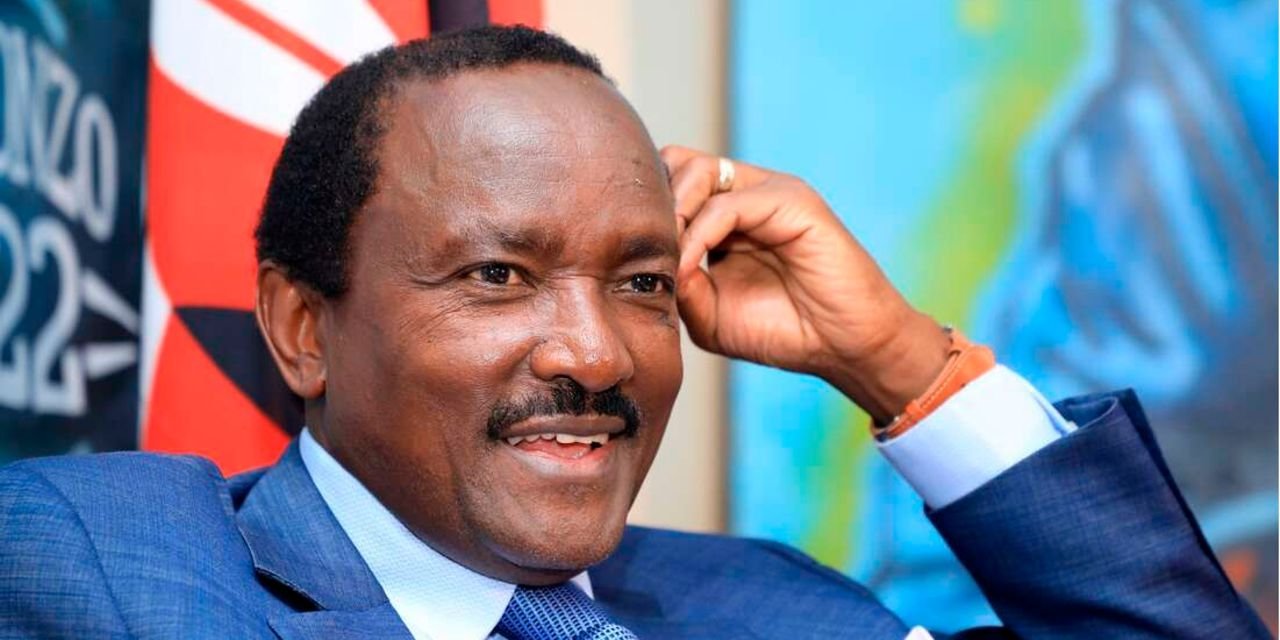
Azimio Leadership Changes: Kalonzo Appointment Faced Dispute After February Reshuffle
By Shiled Jerono | Updated October 1, 2026
Azimio la Umoja One Kenya Coalition announced major leadership changes in February 2026, including the appointment of Wiper leader Kalonzo Musyoka as coalition party leader. The changes, however, were contested by some affiliate parties and did not proceed without dispute.
What the coalition announced
A joint meeting of the Azimio Council and National Executive Committee on February 2 resolved that Kalonzo Musyoka would replace the late Raila Odinga as coalition leader. The meeting also named Caroli Omondi as Secretary General and Philip Kisia as Executive Director.
Junet Mohamed, who had served as Secretary General, was removed from that role. The coalition then submitted documents relating to the changes to the Office of the Registrar of Political Parties.
Why the changes became contested
Several Azimio-affiliated parties later objected to the process, arguing that the meeting and resolutions did not comply with the coalition agreement. They sought documentation from the Registrar’s office and questioned the legality of the leadership changes.
Media reports later indicated that the Office of the Registrar of Political Parties had not immediately ratified the changes, adding a legal and administrative layer to the political dispute.
ODM’s position also shifted
ODM subsequently moved toward withdrawing from the coalition, citing disagreements with other coalition partners. That development changed the political context around the February reshuffle and showed why the leadership changes should not be presented as a simple, uncontested transition.
What is clear
The February meeting did adopt leadership resolutions and communicate them to the Registrar. It is also clear that some coalition members challenged the validity of those decisions. The dispute was therefore both political and procedural.
For readers following the coalition ahead of 2027, the key issue is not only who was named to which position, but whether those appointments were recognised under the coalition’s governing documents and political-party law.
